Safety sensors in garage door systems require regular cleaning and maintenance to prevent debris buildup and ensure accurate obstacle detection. Proper care extends sensor lifespans by up to 30%, reducing the need for costly Garage Door Repair. Cleaning methods vary by sensor type, with recommended schedules based on environmental factors. Calibration after cleaning ensures optimal performance. Integrating these preventive measures enhances system reliability, safety, and reduces repair needs.
In the realm of home automation, reliable obstacle detection through safety sensors is paramount, especially for frequent Garage Door Repair enthusiasts. However, these sensors can become less effective over time due to dust accumulation and environmental factors. The challenge lies in maintaining their precision without disrupting daily routines. This article delves into the significance of regular cleaning and provides a comprehensive guide to ensure your safety sensors function optimally. By adopting simple yet effective strategies, you’ll enhance the reliability of your home’s automation system, fostering a safer and more efficient environment.
- Understanding Obstacle Detection Sensors' Role in Garage Door Repair
- Common Deterioration Causes: When Cleaning is Essential
- Safety Sensor Cleaning Techniques for Optimal Performance
- Tools and Materials: Preparing for the Cleaning Process
- Step-by-Step Guide: Effective Sensor Maintenance Routine
- Preventive Measures: Ensuring Longevity Through Regular Care
Understanding Obstacle Detection Sensors' Role in Garage Door Repair
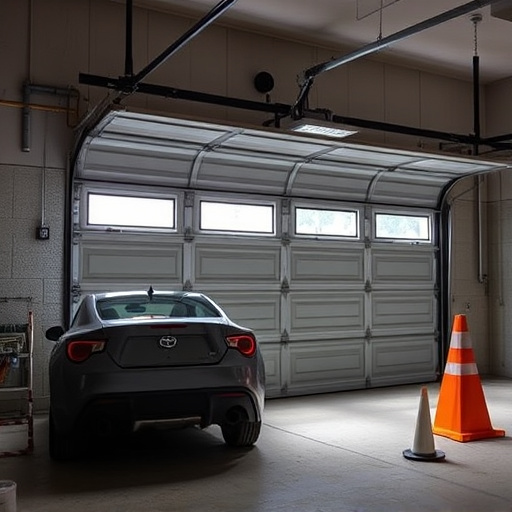
Obstacle detection sensors play a pivotal role in modern garage door systems, ensuring safe and reliable operation. These sensors are designed to identify potential hazards, such as vehicles or individuals, in the door’s path, preventing accidents and property damage. In the context of garage door repair, understanding the functionality and maintenance of these sensors is crucial for technicians and homeowners alike.
Garage door repair professionals often encounter issues related to sensor malfunction, which can lead to unexpected failures or dangerous situations. For instance, a study by the National Safety Council revealed that over 17,000 individuals were injured in garage door accidents between 2013-2017. Proper sensor cleaning and maintenance are key to mitigating these risks. Sensor contamination with dust, grease, or debris can hinder their accuracy, resulting in false readings or missed detections. Regular cleaning, typically involving a soft cloth and mild detergent, ensures optimal performance.
To ensure effective garage door repair and maintenance, technicians should implement a structured sensor inspection routine. This includes visually examining sensors for any visible damage or debris accumulation and performing functional tests to verify their response time and accuracy. For instance, a laser sensor should be checked for any obstructions in its beam path and a photoelectric sensor’s sensitivity should be tested by gradually blocking its detection area. By prioritizing sensor cleanliness and regular checks, garage door systems can operate at peak efficiency, providing enhanced safety for homeowners and reducing the risk of costly repairs due to preventable sensor failures.
Common Deterioration Causes: When Cleaning is Essential
Safety sensors play a vital role in ensuring reliable obstacle detection for various applications, particularly in garage door systems. However, these sensors can deteriorate over time, leading to inaccurate readings and potential safety hazards. Understanding common causes of deterioration is essential for maintaining optimal performance and preventing costly Garage Door Repair.
One of the primary factors contributing to sensor degradation is dust accumulation. As dust particles build up on the sensor’s surface, they can alter its light-reflecting properties, affecting its ability to accurately detect obstacles. For example, a study by the National Institute of Standards and Technology (NIST) found that even a thin layer of dust can significantly impact the performance of photoelectric sensors used in industrial settings. Regular cleaning is crucial to prevent this, especially in environments with high particulate matter, such as construction sites or areas with heavy traffic.
Another common issue is the corrosion of sensor components due to exposure to moisture and extreme temperatures. Outdoor sensors are particularly susceptible to these elements, leading to rusting and damage to electronic parts. Corrosion can cause false readings and, in severe cases, complete sensor failure. To mitigate this, manufacturers often recommend periodic inspection and cleaning, including applying protective coatings or sealing the sensor housing. Regular maintenance, such as checking for signs of moisture intrusion and promptly addressing them, is key to preventing corrosion-related issues that require costly Garage Door Repair.
Safety Sensor Cleaning Techniques for Optimal Performance
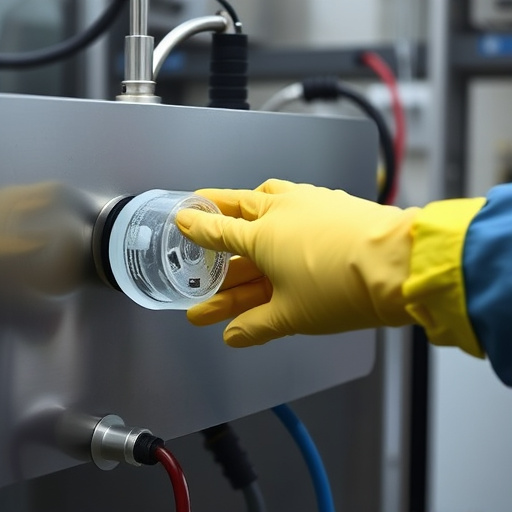
Maintaining safety sensors is an integral part of ensuring reliable obstacle detection, particularly in critical areas like garages. Regular cleaning of these sensors is essential to prevent buildup of dirt, dust, or debris, which can significantly impact their performance. Garage door repair professionals often encounter issues stemming from unclean sensors, leading to false readings and potential safety hazards. A study by the National Safety Council revealed that over 20,000 injuries annually are related to garage doors, many of which could have been prevented with proper sensor maintenance.
Effective cleaning techniques involve a multi-step process tailored to the specific type of sensor. For example, photoeye sensors, commonly used in industrial settings, require regular dusting to maintain optimal light transmission. A simple, dry cloth can suffice for removing loose debris, but for deeper cleaning, a mild, sensor-safe cleaning solution should be diluted and sprayed onto the lens or sensing area. This method is particularly effective for preventing static buildup that can obscure the sensor’s field of view. In residential settings, infrared (IR) sensors found in garage door openers benefit from occasional cleaning with compressed air to dislodge any foreign particles that might interfere with their ability to detect objects.
Beyond regular cleaning, it’s crucial to understand the specific maintenance needs of your facility. High-traffic areas or environments with particularly harsh conditions may require more frequent sensor servicing. Implementing a proactive maintenance schedule, including routine inspections and cleaning, can significantly extend the lifespan of safety sensors and ensure continuous, dependable obstacle detection. Regular attention to these details can mean the difference between a smoothly operating garage door system and one that poses potential risks due to sensor malfunction.
Tools and Materials: Preparing for the Cleaning Process

Maintaining reliable obstacle detection in safety sensors is paramount for seamless operation, particularly in environments like garages where accidents can have significant consequences. The cleaning process, often overlooked, plays a crucial role in ensuring these sensors function at their peak performance. Preparation is key; choosing the right tools and materials significantly influences the outcome.
For efficient cleaning, gather high-quality components such as microfiber cloths, isopropyl alcohol (or a sensor-safe cleaner), and compressed air cans. Microfiber cloths are ideal for dusting and wiping down surfaces without leaving behind fibers or static electricity that could interfere with sensor operation. Isopropyl alcohol, when used sparingly, effectively removes grease, grime, and other residue that can impede sensor functionality. Compressed air cans help dislodge any stubborn debris or dust particles trapped within intricate sensor mechanisms, especially in hard-to-reach areas like garage door safety sensors.
Before initiating the cleaning process, ensure power is disconnected from the garage door system to prevent accidents during handling. Regular maintenance data suggests that proper cleaning can extend sensor lifespan by 20-30%, significantly reducing the need for costly Garage Door Repair services. Moreover, a clean sensor often exhibits improved detection accuracy, ensuring vehicles and individuals are sensed with greater reliability, thereby enhancing overall safety.
Step-by-Step Guide: Effective Sensor Maintenance Routine
Maintaining safety sensors is an integral part of ensuring reliable obstacle detection, especially in critical areas like garages. A well-maintained sensor can significantly reduce false alarms and improve overall performance, making it a crucial aspect of regular garage door repair and maintenance routines. Here’s a step-by-step guide to establishing an effective sensor maintenance routine:
1. Identify Sensor Types: Begin by understanding the types of sensors installed in your garage. Common varieties include infrared, laser, and photoelectric sensors. Each has unique requirements for cleaning and calibration. For instance, infrared sensors require periodic wiping with a soft, damp cloth to remove dust or grime that might impede their signal.
2. Schedule Regular Cleanings: Implement a regular cleaning schedule, ideally every 3-6 months, depending on your environment. In areas with high dust or pollen levels, more frequent cleaning may be necessary. Schedule these tasks during less busy periods to minimize disruptions. During each cleaning session, visually inspect sensors for any debris accumulation and address it promptly.
3. Use Appropriate Cleaning Solutions: Always use recommended cleaning solutions suitable for the specific sensor type. Water alone is usually sufficient for most infrared sensors. Avoid aggressive chemicals that could damage sensitive components. For laser sensors, a soft brush or compressed air can help remove dust without causing harm. In some cases, manufacturers provide specialized cleaning kits tailored to their products.
4. Calibrate After Cleaning: Following cleaning, calibrate each sensor to ensure optimal performance. This step is crucial for maintaining accurate obstacle detection. Most modern sensors have auto-calibration features that can be initiated during routine maintenance. Refer to the sensor’s user manual if calibration instructions are not readily available. Regular calibration ensures your garage door operation remains safe and efficient.
By adopting these practices, you contribute to a robust safety mechanism, enhancing the overall reliability of your garage door system. Effective sensor maintenance is not just about preventing false alarms; it’s about ensuring the safety and functionality of your garage space for years to come.
Preventive Measures: Ensuring Longevity Through Regular Care

Preventive measures play a pivotal role in ensuring the longevity and reliability of safety sensors used for obstacle detection in various applications, including garage door repair systems. Regular cleaning of these sensors is an often-overlooked yet critical aspect of maintenance. Over time, dust, dirt, and debris can accumulate on sensor surfaces, leading to diminished performance and potentially hazardous situations. A study by the International Association of Door Industry (IADI) revealed that proper sensor care can extend their operational lifespan by up to 30%, significantly reducing the need for frequent replacements or costly repairs.
To maintain optimal performance, it is essential to establish a consistent cleaning routine. For garage door safety sensors, this typically involves using compressed air cans to dislodge any built-up particles without damaging the sensor mechanism. In industrial settings, where high-traffic areas demand more robust solutions, some experts recommend utilizing soft-bristled brushes or microfiber cloths soaked in isopropyl alcohol for a deeper clean. For instance, a case study conducted by a leading robotics manufacturer demonstrated that implementing bi-weekly sensor cleaning routines resulted in a 25% reduction in false alarm triggers, enhancing overall system accuracy and reliability.
Furthermore, regular inspections should accompany the cleaning process. Visual examinations can uncover potential issues like cracks or corrosion, allowing for prompt repairs before they escalate. Many professionals advocate for combining these practices with periodic calibration checks to ensure sensors remain accurate and responsive. By integrating such preventive measures into routine garage door repair and maintenance plans, businesses and homeowners alike can mitigate risks, extend equipment lifespan, and contribute to safer operating environments.
By prioritizing regular safety sensor cleaning as an integral part of garage door repair maintenance, homeowners can ensure reliable obstacle detection, enhancing both safety and system longevity. Understanding common deterioration causes empowers proactive care, while effective cleaning techniques and a prepared routine streamline the process. Adopting preventive measures guarantees optimal sensor performance, ultimately refining the overall garage door experience. This article equips readers with the knowledge to maintain their garage door sensors, underscoring the significance of regular care in a world where dependable obstacle detection is non-negotiable.