garage door spring replacement 3202 E Hawthorne St Tucson AZ 85716
Garage Door Repair Services Near You | Fast, Affordable, & Reliable
Every homeowner knows the frustration of a stuck or broken garage door. Whether it’s a snapped spring requiring garage spring replacement, an off-track door, or a faulty opener, garage door problems strike at the worst moments. When garage doors malfunction from weather extremes, daily wear, or sudden component failure, it disrupts routines and compromises home security. That’s why understanding professional garage door repair services is essential for maintaining your home’s functionality and safety.
Expert Garage Door Repair Services for Your Home or Business
When garage doors malfunction, they disrupt daily routines and compromise home security. Professional technicians understand the urgency of garage door issues and provide comprehensive repair solutions for both residential and commercial properties. They specialize in diagnosing problems quickly and implementing lasting fixes that prevent future breakdowns.
Most Common Garage Door Issues We Repair
Broken Springs
Garage door springs endure tremendous tension and can snap suddenly without warning. If you hear a loud bang from your garage or notice your door won’t open properly, broken springs are likely the culprit. Spring replacement requires specialized tools and expertise—attempting DIY repairs can result in serious injury. Professional technicians handle spring repairs safely and efficiently.
Off-Track Doors
When garage doors slip off their tracks, they create safety hazards and can cause extensive damage to the door mechanism. Off-track garage doors often result from worn rollers, bent tracks, or impact damage. If your door appears crooked, makes grinding noises, or operates unevenly, professional technicians can realign it and prevent further complications.
Opener Problems
Modern garage door openers are complex systems that can experience various issues. Common garage door opener problems include motor failure, remote control malfunctions, circuit board issues, and gear wear. Professionals service all major brands including Chamberlain, LiftMaster, Genie, and Craftsman, providing repairs or complete replacements when necessary.
Noisy Operation
Excessive noise during garage door operation indicates worn components that need attention. Noisy garage doors can result from lack of lubrication, worn rollers, loose hardware, or misaligned tracks. Regular maintenance prevents these issues and extends your door’s lifespan significantly.
Sensor and Safety Issues
Modern garage doors feature safety sensors that prevent closure when objects are detected. Faulty garage door sensors can cause doors to reverse unexpectedly or refuse to close properly. Professional technicians clean, adjust, and replace sensors to ensure optimal safety performance.
Comprehensive Garage Door Repair Process
Easy Scheduling
Professional services offer convenient appointment scheduling with same-day garage door repair appointments and emergency service when needed most.
Diagnostic Assessment
Certified technicians conduct thorough diagnostics to identify all issues. They explain problems clearly and provide multiple repair options when available.
Transparent Pricing
Quality service providers offer upfront garage door repair pricing before beginning any work, ensuring homeowners make informed decisions about repairs without hidden fees.
Expert Repairs
Using high-quality replacement parts and proven repair techniques, professionals complete lasting fixes that stand the test of time. All repairs typically come with satisfaction guarantees.
Follow-Up Maintenance
Many providers offer ongoing maintenance plans to keep garage doors operating smoothly year-round, preventing costly emergency repairs through proactive care.
How Much Does Garage Door Repair Cost?
Understanding garage door repair costs helps homeowners budget for necessary repairs. Pricing depends on several factors including the specific issue, required parts, and service urgency.
Repair Type
Average Cost Range
Spring replacement
$150–$300
Opener repair
$100–$350
Cable/roller repair
$65–$150
Panel replacement
$200–$500
Track realignment
$125–$250
What Affects Repair Costs?
Several factors influence the final cost of garage door repairs. The age and brand of your door, availability of replacement parts, and complexity of the repair all play roles in determining pricing. Emergency and after-hours service may incur additional charges.
Professional Garage Door Repair Services
Professional garage door repair companies understand local building codes, weather challenges, and the unique needs of homeowners requiring reliable garage door repair services.
Community Focus
Locally-owned businesses are invested in their community’s success. Their technicians live and work in the areas they serve, ensuring personalized service that larger national chains simply cannot match.
Why Choose Professional Garage Door Repair?
Licensed, Insured, and Certified
Professional technicians are properly licensed, fully insured, and certified for customer protection. Reputable companies maintain comprehensive insurance coverage and require background checks for all team members.
Fast Response Times
Professional services understand garage door problems can’t wait. Emergency garage door repair service provides rapid response even during weekends and holidays when other providers are unavailable.
Proven Track Record
Quality service providers maintain authentic reviews from satisfied customers on Google, Yelp, and Facebook. Their reputation speaks through hundreds of five-star ratings and testimonials.
Quality Parts and Warranties
Professionals use only manufacturer-approved replacement parts and provide warranties on all repairs and installations, giving customers peace of mind with every service call.
Garage Door Repair FAQs
How do I know my garage door needs professional repair? Warning signs include unusual noises, uneven operation, doors that won’t open or close properly, visible damage to springs or cables, and safety sensor malfunctions.
Can I repair a garage door myself? While simple maintenance like lubrication is manageable for homeowners, repairs involving springs, cables, or electrical components require professional expertise for safety reasons.
How long does a typical garage door repair take? Most common repairs are completed within one hour. Complex issues may require additional time, but professionals always provide accurate time estimates before beginning work.
Is garage door repair covered by homeowners insurance? Coverage varies by policy and cause of damage. Most mechanical failures aren’t covered while damage from storms or accidents often is.
Do professionals offer emergency garage door repair services? Yes, many companies provide 24/7 emergency garage door repair for urgent situations that compromise security or safety.
What garage door brands do professionals service? Professional services typically handle all major brands including Chamberlain, LiftMaster, Genie, Craftsman, Wayne Dalton, Clopay, and many others.
How can I prevent future garage door problems? Regular maintenance including lubrication, visual inspections, and professional tune-ups significantly extends door lifespan and prevents costly repairs.
Schedule Your Garage Door Repair Today
Don’t let a malfunctioning garage door disrupt your routine or compromise your home’s security. Professional garage door repair teams are ready to restore your door’s functionality quickly and affordably.
Contact professionals for free estimates or book online through convenient scheduling systems. Many offer 24/7 availability for emergency situations and flexible appointment times for your convenience.
Garage Door Maintenance Tips
Lubricate Moving Parts
Apply garage door lubricant to rollers, hinges, tracks, and springs every six months. Proper lubrication reduces friction, minimizes noise, and prevents premature wear of components.
Inspect Cables and Springs
Regularly examine cables for fraying and springs for signs of rust or wear. Never attempt to repair or replace these components yourself—they’re under extreme tension and require professional handling.
Test Safety Features
Monthly testing of safety reversal mechanisms ensures your door stops and reverses when encountering obstructions, protecting family members and vehicles from potential injury or damage.
Seasonal Inspections
Extreme weather puts extra stress on garage doors. Schedule professional inspections before winter and summer to address weather-related wear before it causes major problems.
Keep Tracks Clean
Remove debris from tracks and ensure proper alignment. Bent or obstructed tracks cause uneven operation and can lead to costly damage if left unaddressed.
Customer Reviews & Testimonials
Homeowners consistently rate quality garage door repair services five stars across all review platforms. Customers praise reliable garage door repair service, transparent pricing, and professional technicians who respect their homes and schedules.
Professional service providers maintain strong reputations through honest communication, quality workmanship, and genuine care for customer satisfaction.
Contact Professionals for Fast Garage Door Help
Experience the difference professional garage door repair service makes. Quality service providers combine technical expertise with genuine care for customer satisfaction, ensuring garage door problems are resolved quickly and completely.
Don’t wait for small problems to become expensive emergencies. Contact professionals for reliable, affordable garage door repair that gets your life back on track. Professional help is available day and night when you need it most.
Maximize Energy Efficiency: Garage Door Insulation Installation Guide
Energy efficiency through insulation installation is a powerful tool for lowering utility costs and shrinking environmental footprints. Insulation acts as a heat barrier, keeping spaces warmer in winter and cooler in summer, reducing strain on heating and cooling systems. Effective garage door repair incorporates strategic insulation placement to create an airtight envelope, minimizing heat transfer and saving energy. When optimizing energy efficiency, understand insulation types and their performance, choosing cost-effective fiberglass or advanced foam insulation as needed. DIY installation involves assessing spaces, cutting and fitting insulation, and sealing air leaks. Avoid common pitfalls like inadequate sealing around garage door frames and improper cutting for optimal results. Regular maintenance, including seasonal adjustments and inspection, maximizes energy savings and extends insulation lifespan. Integrating garage door repair techniques enhances overall energy efficiency and comfort.
Looking to slash your energy bills and reduce your carbon footprint? Insulation installation is a powerful, often overlooked, strategy. This guide explores how proper insulation in your garage door system can significantly boost energy efficiency. We’ll delve into the science behind it, different insulation types, step-by-step installation instructions, common mistakes to avoid, and maintenance tips for long-lasting savings – all tailored to help you with your garage door repair needs.
Energy efficiency is a key factor in reducing utility costs and minimizing your environmental footprint. By understanding how insulation installation can make your home or garage more energy-efficient, you’re taking a significant step towards sustainable living. Insulation acts as a barrier, preventing heat transfer between the interior and exterior of your space. This means that during colder months, it keeps heat inside, reducing the demand for heating systems. Conversely, in warmer seasons, it prevents hot air from entering, thereby decreasing cooling expenses.
For garage door repair or installation, proper insulation is often overlooked but can significantly impact energy efficiency. A well-insulated garage not only maintains a comfortable temperature for your vehicles and belongings but also reduces the load on your home’s heating and cooling systems. This leads to lower energy bills and contributes to a greener planet by reducing overall energy consumption.
The Role of Insulation in Garage Door Systems
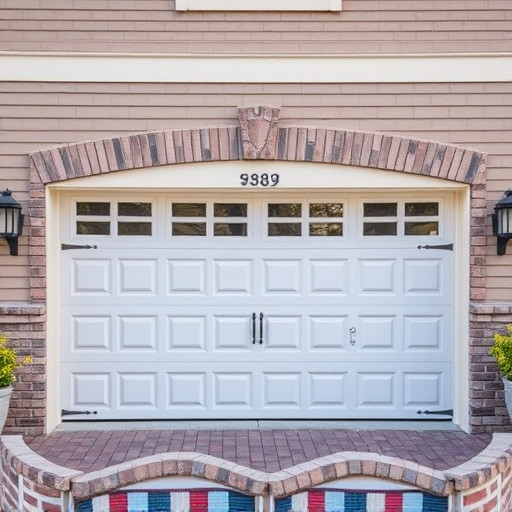
Insulation plays a pivotal role in garage door systems, offering more than just temperature regulation. By sealing gaps and preventing air leakage, insulation significantly enhances energy efficiency, especially in extreme weather conditions. A well-insulated garage door acts as a barrier, keeping cold air out during winter and hot air in during summer, thereby reducing the workload on heating and cooling systems.
Effective garage door repair often involves incorporating insulation strategies to maximize energy savings. Professionals recommend adding insulation to the door’s panels, bottom seal, and side edges. This multi-layered approach creates a airtight envelope, minimizing heat transfer and contributing to overall lower energy consumption. As a result, homeowners can enjoy comfortable indoor temperatures while reducing utility bills.
Types of Insulation for Optimal Performance
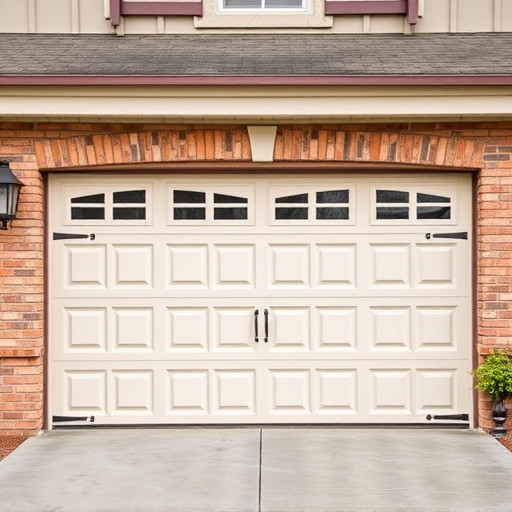
When considering insulation installation for improved energy efficiency, it’s crucial to understand the types of insulation available and their optimal performance in various parts of your home—including the garage. Fiberglass insulation is a popular choice due to its affordability and effectiveness in blocking heat transfer. It’s particularly beneficial for attics and garages, where it can significantly reduce temperature fluctuations.
For a more advanced solution, foam insulation offers superior R-values, making it ideal for achieving maximum energy efficiency. This type of insulation is especially recommended for hard-to-reach areas or places requiring enhanced thermal control, such as garage doors. Efficient garage door repair and proper insulation go hand in hand—a well-insulated garage not only maintains the integrity of your home’s overall energy performance but also ensures optimal functionality and comfort for your garage door system.
Step-by-Step Guide to Installing Insulation
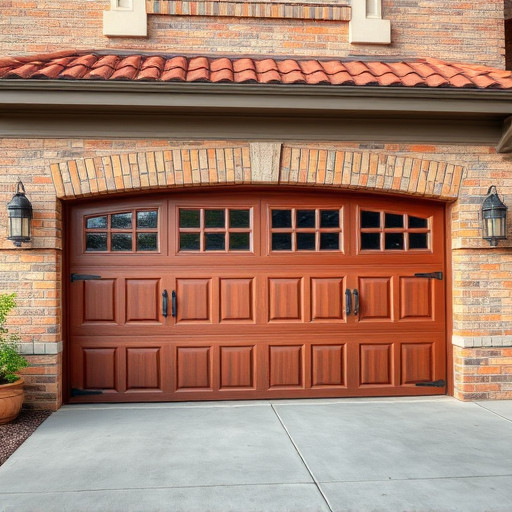
Installing insulation is a great way to enhance your home’s energy efficiency, and it can be an easy DIY project for those with basic tools. Here’s a step-by-step guide to help you get started, focusing on both attic and garage door areas.
First, assess the space you’re working in. In the case of a garage, ensure the door is fully opened and clear of any obstructions. For attics, access can be gained through a hatch or stairs. Next, gather your materials: insulation rolls or batts, a utility knife, a tape measure, and a ladder (for attics). Cut the insulation to fit the space using the tape measure for guidance. Start by placing one end of the insulation against a wall or joist, ensuring it’s level. Then, work across the space, creating a continuous barrier. In garages, focus on the door’s frame and any gaps around it. For attics, fill all spaces between joists. Once installed, check for any air leaks at joints and seal them with caulk if needed. Regular garage door repair practices, such as ensuring proper sealing, will further enhance energy efficiency alongside effective insulation.
Common Mistakes to Avoid During Installation
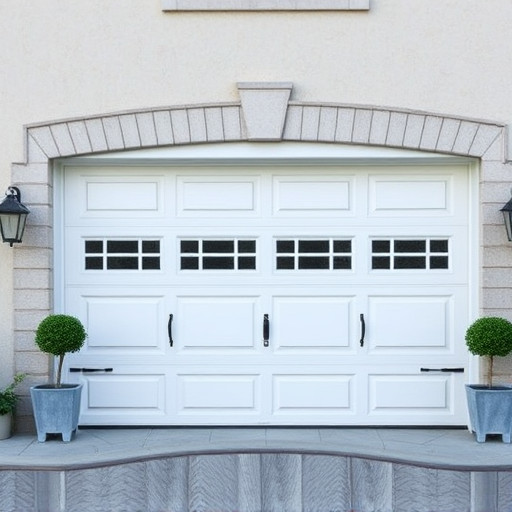
When undertaking insulation installation for energy efficiency, there are several common mistakes to avoid that could negate your efforts. One frequent blunder is inadequate sealing around garage door frames and hinges. Insulation materials must be properly compacted and sealed to prevent air leaks, which can significantly undermine energy savings. Neglecting this detail not only reduces the effectiveness of insulation but also contributes to drafts and higher heating or cooling costs.
Another mistake is improper cutting and fitting of insulation rolls or batts. It’s crucial to measure spaces accurately before purchasing materials and cut them precisely to fit without gaps or overlaps. Improper installation can lead to air pockets, ineffective insulation, and potential thermal bridges, defeating the purpose of enhancing energy efficiency. Always ensure that all surfaces are flat, clean, and dry before installing insulation for optimal results, especially in areas like attics and crawl spaces where proper coverage is essential.
Maintenance Tips for Longevity and Cost Savings
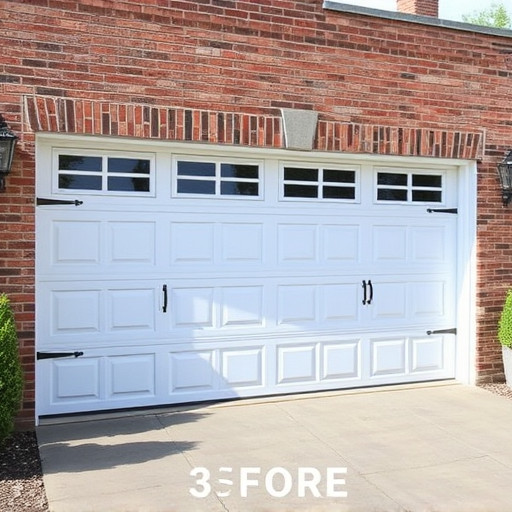
Regular maintenance is key to ensuring your insulation installation provides optimal energy efficiency for years to come. A simple yet effective strategy is to regularly inspect your insulation for any signs of damage, especially in high-traffic areas or near potential sources of wear and tear. Addressing minor issues promptly can prevent larger problems down the line.
For garage door repair and overall insulation health, keep an eye out for loose or missing fibers, tears, or gaps that could compromise its integrity. Using a gentle touch, brush away any dust or debris collected on the surface. Consider seasonal adjustments; for instance, in colder climates, ensure your insulation is in top condition before winter to maximize energy savings and minimize heating costs. Regular maintenance not only extends the lifespan of your insulation but also contributes to long-term cost savings by preventing unnecessary energy loss.
Insulating your garage door system is a smart step towards energy efficiency, saving you money on utility bills. By understanding the benefits of improved insulation and following the guide provided, including choosing the right type, installing it correctly, and maintaining it well, you can make your garage door a game-changer in your home’s energy performance. Remember, efficient garage door repair and maintenance are key to achieving a more sustainable and cost-effective home environment.