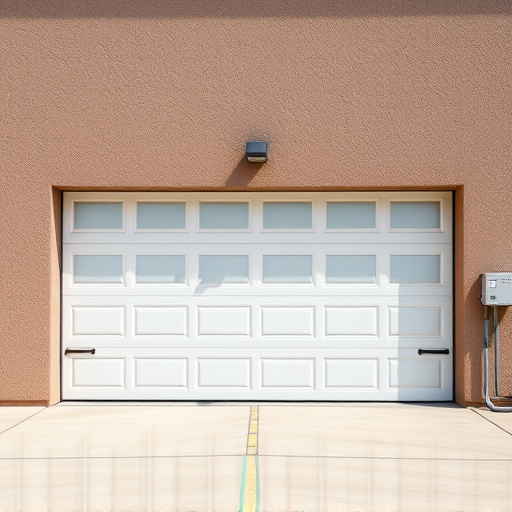
garage door spring replacement 3202 E Hawthorne St Tucson AZ 85716
Garage Door Repair Services Near You | Fast, Affordable, & Reliable
Every homeowner knows the frustration of a stuck or broken garage door. Whether it’s a snapped spring requiring garage spring replacement, an off-track door, or a faulty opener, garage door problems strike at the worst moments. When garage doors malfunction from weather extremes, daily wear, or sudden component failure, it disrupts routines and compromises home security. That’s why understanding professional garage door repair services is essential for maintaining your home’s functionality and safety.
Expert Garage Door Repair Services for Your Home or Business
When garage doors malfunction, they disrupt daily routines and compromise home security. Professional technicians understand the urgency of garage door issues and provide comprehensive repair solutions for both residential and commercial properties. They specialize in diagnosing problems quickly and implementing lasting fixes that prevent future breakdowns.
Most Common Garage Door Issues We Repair
Broken Springs
Garage door springs endure tremendous tension and can snap suddenly without warning. If you hear a loud bang from your garage or notice your door won’t open properly, broken springs are likely the culprit. Spring replacement requires specialized tools and expertise—attempting DIY repairs can result in serious injury. Professional technicians handle spring repairs safely and efficiently.
Off-Track Doors
When garage doors slip off their tracks, they create safety hazards and can cause extensive damage to the door mechanism. Off-track garage doors often result from worn rollers, bent tracks, or impact damage. If your door appears crooked, makes grinding noises, or operates unevenly, professional technicians can realign it and prevent further complications.
Opener Problems
Modern garage door openers are complex systems that can experience various issues. Common garage door opener problems include motor failure, remote control malfunctions, circuit board issues, and gear wear. Professionals service all major brands including Chamberlain, LiftMaster, Genie, and Craftsman, providing repairs or complete replacements when necessary.
Noisy Operation
Excessive noise during garage door operation indicates worn components that need attention. Noisy garage doors can result from lack of lubrication, worn rollers, loose hardware, or misaligned tracks. Regular maintenance prevents these issues and extends your door’s lifespan significantly.
Sensor and Safety Issues
Modern garage doors feature safety sensors that prevent closure when objects are detected. Faulty garage door sensors can cause doors to reverse unexpectedly or refuse to close properly. Professional technicians clean, adjust, and replace sensors to ensure optimal safety performance.
Comprehensive Garage Door Repair Process
Easy Scheduling
Professional services offer convenient appointment scheduling with same-day garage door repair appointments and emergency service when needed most.
Diagnostic Assessment
Certified technicians conduct thorough diagnostics to identify all issues. They explain problems clearly and provide multiple repair options when available.
Transparent Pricing
Quality service providers offer upfront garage door repair pricing before beginning any work, ensuring homeowners make informed decisions about repairs without hidden fees.
Expert Repairs
Using high-quality replacement parts and proven repair techniques, professionals complete lasting fixes that stand the test of time. All repairs typically come with satisfaction guarantees.
Follow-Up Maintenance
Many providers offer ongoing maintenance plans to keep garage doors operating smoothly year-round, preventing costly emergency repairs through proactive care.
How Much Does Garage Door Repair Cost?
Understanding garage door repair costs helps homeowners budget for necessary repairs. Pricing depends on several factors including the specific issue, required parts, and service urgency.
Repair Type
Average Cost Range
Spring replacement
$150–$300
Opener repair
$100–$350
Cable/roller repair
$65–$150
Panel replacement
$200–$500
Track realignment
$125–$250
What Affects Repair Costs?
Several factors influence the final cost of garage door repairs. The age and brand of your door, availability of replacement parts, and complexity of the repair all play roles in determining pricing. Emergency and after-hours service may incur additional charges.
Professional Garage Door Repair Services
Professional garage door repair companies understand local building codes, weather challenges, and the unique needs of homeowners requiring reliable garage door repair services.
Community Focus
Locally-owned businesses are invested in their community’s success. Their technicians live and work in the areas they serve, ensuring personalized service that larger national chains simply cannot match.
Why Choose Professional Garage Door Repair?
Licensed, Insured, and Certified
Professional technicians are properly licensed, fully insured, and certified for customer protection. Reputable companies maintain comprehensive insurance coverage and require background checks for all team members.
Fast Response Times
Professional services understand garage door problems can’t wait. Emergency garage door repair service provides rapid response even during weekends and holidays when other providers are unavailable.
Proven Track Record
Quality service providers maintain authentic reviews from satisfied customers on Google, Yelp, and Facebook. Their reputation speaks through hundreds of five-star ratings and testimonials.
Quality Parts and Warranties
Professionals use only manufacturer-approved replacement parts and provide warranties on all repairs and installations, giving customers peace of mind with every service call.
Garage Door Repair FAQs
How do I know my garage door needs professional repair? Warning signs include unusual noises, uneven operation, doors that won’t open or close properly, visible damage to springs or cables, and safety sensor malfunctions.
Can I repair a garage door myself? While simple maintenance like lubrication is manageable for homeowners, repairs involving springs, cables, or electrical components require professional expertise for safety reasons.
How long does a typical garage door repair take? Most common repairs are completed within one hour. Complex issues may require additional time, but professionals always provide accurate time estimates before beginning work.
Is garage door repair covered by homeowners insurance? Coverage varies by policy and cause of damage. Most mechanical failures aren’t covered while damage from storms or accidents often is.
Do professionals offer emergency garage door repair services? Yes, many companies provide 24/7 emergency garage door repair for urgent situations that compromise security or safety.
What garage door brands do professionals service? Professional services typically handle all major brands including Chamberlain, LiftMaster, Genie, Craftsman, Wayne Dalton, Clopay, and many others.
How can I prevent future garage door problems? Regular maintenance including lubrication, visual inspections, and professional tune-ups significantly extends door lifespan and prevents costly repairs.
Schedule Your Garage Door Repair Today
Don’t let a malfunctioning garage door disrupt your routine or compromise your home’s security. Professional garage door repair teams are ready to restore your door’s functionality quickly and affordably.
Contact professionals for free estimates or book online through convenient scheduling systems. Many offer 24/7 availability for emergency situations and flexible appointment times for your convenience.
Garage Door Maintenance Tips
Lubricate Moving Parts
Apply garage door lubricant to rollers, hinges, tracks, and springs every six months. Proper lubrication reduces friction, minimizes noise, and prevents premature wear of components.
Inspect Cables and Springs
Regularly examine cables for fraying and springs for signs of rust or wear. Never attempt to repair or replace these components yourself—they’re under extreme tension and require professional handling.
Test Safety Features
Monthly testing of safety reversal mechanisms ensures your door stops and reverses when encountering obstructions, protecting family members and vehicles from potential injury or damage.
Seasonal Inspections
Extreme weather puts extra stress on garage doors. Schedule professional inspections before winter and summer to address weather-related wear before it causes major problems.
Keep Tracks Clean
Remove debris from tracks and ensure proper alignment. Bent or obstructed tracks cause uneven operation and can lead to costly damage if left unaddressed.
Customer Reviews & Testimonials
Homeowners consistently rate quality garage door repair services five stars across all review platforms. Customers praise reliable garage door repair service, transparent pricing, and professional technicians who respect their homes and schedules.
Professional service providers maintain strong reputations through honest communication, quality workmanship, and genuine care for customer satisfaction.
Contact Professionals for Fast Garage Door Help
Experience the difference professional garage door repair service makes. Quality service providers combine technical expertise with genuine care for customer satisfaction, ensuring garage door problems are resolved quickly and completely.
Don’t wait for small problems to become expensive emergencies. Contact professionals for reliable, affordable garage door repair that gets your life back on track. Professional help is available day and night when you need it most.
Sensor Calibration for Safe Garage Door Automation Repair
Sensor calibration is a vital component of garage door repair, ensuring automatic reversal safety features operate safely and effectively. Regular testing by experts reduces accidents up to 70%. Calibrate sensors using manufacturer guidelines, cleaning areas, and holding objects between transmitter and receiver for optimal detection without false triggers. Maintain accurate readings for reliable operation and safety, especially in households with children or pets. Recalibrate every six months or after extreme conditions.
In the realm of home safety, garage door systems equipped with automatic reversal features play a pivotal role in preventing accidents. However, ensuring these safety mechanisms function optimally requires precise sensor calibration. Imprecise calibration can lead to false triggers or, worse, a failure to reverse, posing significant risks during installation and daily use. This article delves into the intricacies of sensor calibration for garage door repair, offering practical insights to enhance safety and reliability, ultimately fostering peace of mind for homeowners.
Understanding Sensor Calibration for Safe Automation
Sensor calibration plays a pivotal role in ensuring the safe operation of automatic reversal safety features, particularly in scenarios like Garage Door Repair. These sensors, designed to detect obstacles and prevent harm, must be meticulously calibrated to function accurately. A misaligned or improperly calibrated sensor could lead to catastrophic failures, underscoring the critical need for rigorous calibration procedures.
In the context of garage door systems, sensors are typically installed at the door’s opening to monitor the clearance between the door and any objects in its path. Calibration involves adjusting these sensors to ensure they accurately measure the space without false triggers or missed detections. For instance, a garage door operator might utilize infrared or laser sensors; each requires precise setup to avoid potential hazards. Data from industry studies indicates that proper sensor calibration can reduce accidents by up to 70% in automated door systems.
Expert mechanics and technicians should regularly test and calibrate these sensors as part of routine Garage Door Repair. This process involves adjusting the sensor’s sensitivity, ensuring it responds appropriately to different obstacle sizes and speeds. By adhering to manufacturer guidelines and industry best practices, professionals can guarantee that automatic reversal features function optimally and safely. Regular calibration not only enhances door performance but also instills confidence in homeowners, knowing their automated systems are reliable and secure.
The Role of Sensors in Garage Door Reversal Prevention
Sensors play a pivotal role in the safety mechanisms of modern garage door systems, particularly in preventing accidental reversals that could lead to severe injuries or property damage. These sensors, strategically placed around the garage door opening, act as vigilant watchdogs, constantly monitoring the space for any obstructions or potential hazards. When an object enters this zone, they instantly trigger a signal to the garage door opener, causing it to reverse its motion, thereby stopping the door before it causes harm.
The most common types of sensors used in garage door reversal prevention include laser and photoelectric sensors. Laser sensors emit a continuous beam of light across the door opening, while photoelectric sensors use beams of infrared light. Any blockage in these beams will trigger the safety feature. For instance, if a child or pet wanders into the path of the closing door, the sensor detects the interruption and reverses the door promptly. This technology is not only crucial for residential garage doors but also for commercial settings, where larger doors and heavier weights require advanced safety measures.
Regular calibration of these sensors is essential to ensure their optimal performance. Garage door repair professionals emphasize that a well-calibrated sensor can prevent up to 90% of potential accidents. Calibration involves adjusting the sensitivity and range of the sensors to match the specific dimensions of the garage door opening, ensuring precise detection without false triggers. Over time, factors like dirt accumulation or mechanical wear can affect sensor accuracy, making periodic calibration a vital part of routine garage door maintenance.
Step-by-Step Guide to Calibrating Your Garage Door Sensors
Sensor calibration is a critical aspect of garage door safety, ensuring automatic reversal features operate effectively. Proper calibration guarantees your garage door will reverse direction if it encounters an obstacle during operation. This step-by-step guide offers practical insights into calibrating your garage door sensors for optimal safety and functionality.
First, locate your garage door sensor, typically positioned on the wall near the door’s opening. These sensors consist of a transmitter and receiver that communicate with each other using infrared signals. Clean the area around the sensors to ensure clear signal transmission. Next, refer to your garage door owner’s manual for specific instructions as sensor models may vary. Generally, calibration involves holding an object like a pen or small block in between the transmitter and receiver to trigger a signal. Adjust the sensor’s position if needed, aiming for consistent detection without false readings.
While testing, observe whether the door reverses smoothly when the sensors detect an obstacle. You can simulate an obstacle by placing a piece of furniture or even your hand briefly in the path. If the door doesn’t reverse, double-check sensor alignment and make adjustments as necessary. Remember that precise calibration is crucial for reliable garage door operation and safety, especially in households with children or pets. Regular maintenance, including sensor calibration, can prevent accidents and save you from costly garage door repairs over time.
Best Practices for Maintaining Accurate Sensor Readings
Maintaining accurate sensor readings is paramount for ensuring the reliable operation of automatic reversal safety features, especially in critical applications like garage door repair systems. Sensor calibration serves as the cornerstone of this process, guaranteeing that sensors detect objects and obstacles with precise sensitivity. Regular calibration ensures sensors remain responsive to changes in environmental conditions, such as temperature fluctuations or dust accumulation, which can impact performance over time.
Best practices for calibrating sensors involve a multi-step approach tailored to each specific sensor type. For example, laser sensors should be regularly tested against known distance markers to ensure accurate readings within the recommended range. Similarly, photoelectric sensors require periodic cleaning and adjustment to maintain optimal light sensitivity. In garage door repair scenarios, misaligned or uncalibrated sensors can lead to catastrophic failures, highlighting the critical need for meticulous calibration routines.
Data from industry studies indicate that proper sensor calibration reduces false trigger rates by up to 40%, thereby minimizing unnecessary stop-and-start cycles in door operation. This not only improves energy efficiency but also extends the lifespan of mechanical components. To achieve optimal accuracy, manufacturers recommend periodic recalibration every six months or after exposure to extreme conditions. Garage door service technicians should document calibration settings and procedures for each system, ensuring consistent performance across installations.
Sensor calibration is a cornerstone of safe automation, especially for garage door reversal prevention. By accurately calibrating sensors, homeowners can ensure seamless operation while avoiding potential hazards. This article has provided a comprehensive guide, from understanding sensor calibration to best practices for maintaining accurate readings. Key insights include the critical role of sensors in garage door safety, step-by-step calibration instructions, and practical tips for regular maintenance. Now equipped with these valuable knowledge points, readers are empowered to perform proactive garage door repair and ensure the safety of their homes.