In the bustling homes of door off track, garage doors serve as much more than mere entryways. They're integral components of our daily routines, opening and closing seamlessly, year-round. However, like all common garage door parts, tracks, rollers, and cables wear out over time, leading to frustrating issues like a door off track, grinding noises, or a slow, uneven opening. Understanding the causes behind these failures is the first step toward effective prevention and reliable repairs. In this article, we'll examine the specific reasons why these critical components break down, offering practical guidance for both DIYers and those considering professional garage door repair services.
- Understanding Common Garage Door Part Failures
- Tracking Down Track and Roller Issues
- Cable Wear and Replacement Strategies
- Preventative Maintenance for Longevity
Understanding Common Garage Door Part Failures
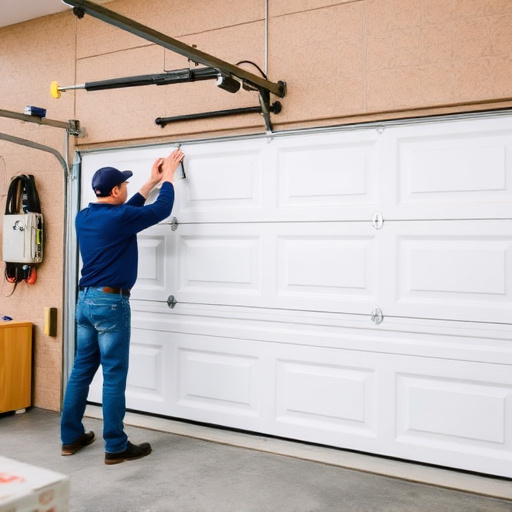
Garage door failures often stem from wear and tear on common parts that take a beating every day. Tracks, rollers, and lift cables are the workhorses of your garage door system, and over time, they can show signs of stress. Bent or damaged tracks, for instance, can cause a door to run off track, creating safety hazards and inconvenience. Worn rollers may result in a squeaky door, difficulty opening or closing, and even a door that sticks halfway open. Lift cables, which bear the brunt of lifting the door's weight, can snap or fray, leading to a door that won't close or opens on its own.
The bottom seal, a crucial component that prevents debris and weather elements from entering your garage, is also prone to damage. A torn or cracked seal can result in a grinding noise and allow cold air to enter your garage during winter, increasing energy costs. While some minor issues like loose hinges or a dented panel might be addressed by a do-it-yourself approach, more serious problems, especially involving tracks, cables, and rollers, usually require the expertise of an experienced Tucson garage door installer. Regular maintenance, including lubrication of rollers and inspection of all parts, can significantly extend the life of these common garage door parts and prevent costly failures.
To regular care, homeowners can take steps to minimize wear. Keeping the garage door tracks clear of debris and grease them regularly can prevent rust and corrosion. Being mindful of objects being lifted into or out of the garage, and ensuring the door is fully closed before driving away, can also reduce stress on the system. By understanding the common culprits behind garage door failures and taking proactive measures, Tucson homeowners can ensure their doors operate smoothly and safely for years to come.
Tracking Down Track and Roller Issues
Tracking down issues with your garage door tracks, rollers, and cables is a crucial step in maintaining your home's safety and preventing unexpected repairs. These common garage door parts are subject to wear and tear, especially in harsh environments like Tucson's desert heat. Over time, neglect or exposure to the elements can cause failures that require professional attention.
One of the most frequent problems is a bent or off-track garage door. This issue can arise from a variety of factors, such as misalignment, damaged rollers, or a broken cable. Uneven ground or improper installation can lead to a misaligned track, causing the door to bind or wobble. When a cable snaps, the door may become stuck halfway open or closed, posing a significant safety hazard. Regular maintenance, including lubricating rollers and inspecting tracks for signs of wear, can help prevent these issues. However, if you notice a grinding noise or squeaking, it's often an indicator of worn or damaged parts that require immediate attention.
A local Tucson garage door technician recommends inspecting your tracks and rollers annually, especially in extreme climates. Regular cleaning and lubrication can extend the life of these components. Using a silicone spray on rollers can reduce friction and wear. When parts fail, replacement is often the safest and most cost-effective option. However, DIY repairs can be attempted for minor issues, such as replacing a worn roller or adjusting tracks. Yet, more complex problems like cable drums or center bearing replacements are best left to professionals to avoid further damage or injury. Remember, tips for avoiding surprise garage door repair costs include regular maintenance and prompt attention to unusual noises or signs of wear.
Cable Wear and Replacement Strategies
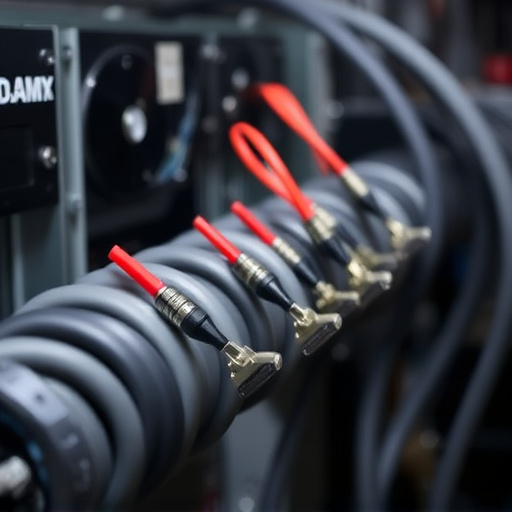
Garage door cables, a critical component in the door's operation, are subject to wear and tear over time. This wear can be accelerated by several factors, including frequent use, improper installation, or exposure to harsh environmental conditions. When a cable breaks, it can cause the door to off-track, reverse, or fail to close properly. Recognizing the signs of cable wear and understanding when to replace them is essential for maintaining your garage door's functionality and safety.
Regular inspection is key to identifying potential issues. Look for frayed, stretched, or broken cables. Over time, cables can become weakened, especially if they are made of steel and have been exposed to rust or corrosion. Nylon rollers, a common alternative, are less prone to rust but can still deteriorate with heavy use. If you notice a grinding noise, excessive vibration, or the door failing to stay in position, these could be indicators of worn-out cables. It's crucial to address these issues promptly to prevent more serious damage.
Replacing garage door cables is a common repair, but the decision to repair or replace a damaged panel should be considered carefully. While a panel repair might be more cost-effective for minor dents or cracks, a severely damaged panel may require replacement. Eddies Garage Door Service, a local Tucson expert, recommends replacing cables every 5,000 to 10,000 cycles or roughly 7 to 14 years, depending on use. Bearings, another crucial component, should be checked for wear and replaced if they show signs of damage or excessive play. Regular maintenance, including lubricating rollers and hinges, can extend the life of these common garage door parts. By understanding the wear patterns and replacement intervals, homeowners can ensure their garage doors operate smoothly and safely.
Preventative Maintenance for Longevity
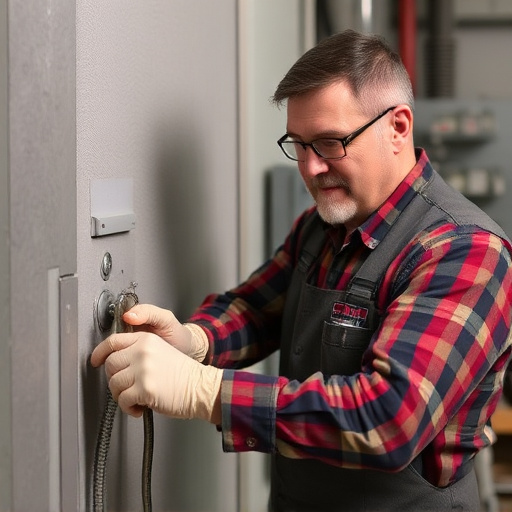
Preventative maintenance is a crucial strategy for prolonging the lifespan of your garage door and its common parts. In the harsh conditions of a Tucson monsoon, your garage door is exposed to intense heat and humidity, which can accelerate the deterioration of various components. A local Tucson garage door technician recommends a proactive approach to care, focusing on three key areas: tracks, rollers, and cables.
Regular cleaning and lubrication are essential for tracks, which can become rusted and corroded over time, leading to misalignment and off-track conditions. Inspect your tracks for any signs of damage or wear, and consider replacing them if they are bent or severely damaged. Nylon rollers, known for their durability, can still wear out over extended use. Check for loose or damaged rollers, and remember that replacing them at the first sign of trouble can prevent more serious issues down the line. Similarly, lift cables, which bear the brunt of the door's weight during opening and closing, are susceptible to fraying and breaking. Regularly inspect them for any signs of damage, and consider replacing them every few years to ensure safe and smooth operation.
A well-maintained garage door not only enhances the longevity of its parts but also contributes to the overall safety and functionality of your home. By incorporating these preventative measures, you can significantly reduce the likelihood of unexpected failures, ensuring a smoothly operating door that serves your family for years to come.
Frequently Asked Questions About an Explainer on What Causes Tracks, Rollers, and Cables to Fail
What causes garage door tracks to fail?
Garage door tracks fail primarily due to excessive wear and tear, especially at the points where they meet the door. This wear can be accelerated by improper alignment, poor maintenance, or the use of subpar hardware. Corrosion from salt or other environmental factors can also contribute, especially in coastal areas. Regular lubrication and adjustments can extend track life, but eventual replacement is often necessary, particularly for heavy-use doors.
Why do garage door rollers break?
Garage door rollers bear the weight of the door and facilitate its smooth movement. They fail typically due to fatigue from repeated use, causing the steel ball bearings inside to wear down. Dust, dirt, and debris can also accelerate wear. In some cases, improper installation or misalignment can lead to early roller failure. Regular cleaning and lubricating the rollers can prolong their lifespan, but they usually need to be replaced after several years of service.
Can garage door cables snap?
Garage door cables are designed to break before the door falls, protecting users from injury. They fail due to corrosion, wear, or improper installation. Corrosion, especially in salt-laden environments, can weaken the cable over time. Sudden or unexpected movement, such as a door struck by an object, can also cause failure. Cables should be replaced by a qualified professional as soon as they show signs of damage or weakness.
How do environmental factors contribute to garage door component failure?
Environmental factors play a significant role in the lifespan of garage door components. Salt air and humidity can accelerate corrosion, affecting tracks, rollers, and cables. Extreme temperatures can also impact performance, causing parts to expand or contract and potentially leading to misalignment. Regular maintenance and the use of weather-resistant components can mitigate these effects, but in harsh environments, expect more frequent replacements.
What should I do if I notice a problem with my garage door tracks, rollers, or cables?
If you notice any signs of damage or unusual noises, contact a licensed garage door service immediately. Neglecting these issues can lead to more serious problems and costly repairs. A professional technician will inspect the components, identify the cause of the failure, and recommend appropriate repairs or replacements, ensuring your garage door operates safely and efficiently.
Understanding the common failures of garage door tracks, rollers, and cables is key to proactive maintenance and timely repairs. By tracking down issues like bent tracks, worn rollers, and broken cables, homeowners can prevent more serious and costly problems. Regular inspection and replacement of these common garage door parts can significantly extend the life of your door, ensuring a safe and smooth operation.
The article highlights the importance of preventative maintenance, which includes regular lubrication, balance checks, and tension adjustments. These simple tasks, when performed by a licensed professional or a skilled DIYer, can catch minor problems before they escalate. Understanding the typical wear patterns of various components allows for more informed decisions about repairs versus replacements, especially for dented panels or saggy doors.
In the event of more complex issues, such as a grinding noise or a door that reverses unexpectedly, seeking professional assistance is advisable. Local garage door repair services, like Eddies Garage Door Service, are equipped to handle these challenges and offer solutions tailored to the specific needs of your door. By prioritizing regular care and addressing problems promptly, Tucson homeowners can ensure their garage doors remain reliable, safe, and secure.
Garage door failures in Tucson stem from wear on tracks, rollers, cables, and other common parts. Regular maintenance, like lubricating rollers and inspecting tracks, extends their life. Worn parts, like bent tracks, squeaky rollers, or broken cables, require professional attention to prevent safety hazards. Promptly addressing unusual noises or signs of wear can save costly repairs. Preventative measures, such as cleaning tracks, replacing parts at first signs of trouble, and regular inspections, ensure a well-maintained, safe, and functional garage door.