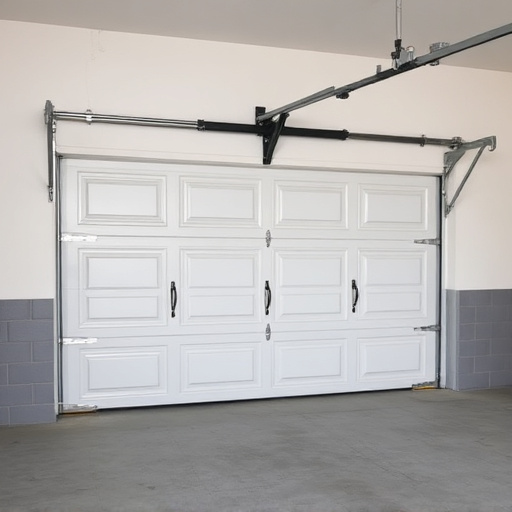
In the bustling homes of door off track, the garage door is a workhorse, seeing countless cycles each week. Yet, like all machines, it wears out over time, leading to a host of problems from a simple squeaky door to a fully off track door that won't close. Understanding the common garage door parts and their natural wear patterns is crucial for homeowners. This article provides a clear, concise look at these components, explaining how they age, common failure points, and practical advice on when to call a professional, like Eddies Garage Door Service, for repairs or replacement, ensuring your door functions smoothly and securely, even when the wind picks up.
- Understanding Garage Door Components
- Common Wear and Tear Patterns
- Identifying and Addressing Shaking Issues
- Proactive Maintenance for Longevity
Understanding Garage Door Components
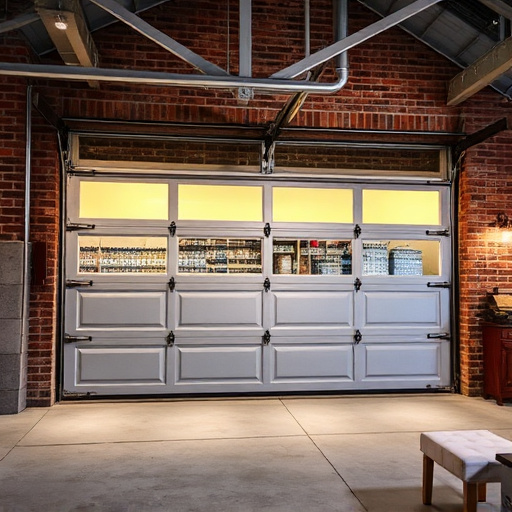
Garage doors are intricate systems, composed of various parts that work in harmony to open and close smoothly. Understanding these components and their potential wear points is crucial for both homeowners and professionals alike. Each part plays a vital role, from the vertical track that guides the door's path to the springs that provide the necessary force. One common issue that can arise is garage door shaking, which often indicates a problem with the alignment or supporting structure.
The vertical track, especially in our region's desert climate, is subject to expansion and contraction due to temperature fluctuations. This movement can throw off the door's alignment, leading to shaking. Struts, responsible for supporting the door and maintaining stability, can also degrade over time. Regular inspection is key; look for signs of rust, corrosion, or damage, as these can compromise the door's structural integrity. Eddies Garage Door Service recommends checking these components every six months to ensure optimal performance.
Wear and tear on garage door parts, such as rollers and hinges, are natural over time. Homeowners should be aware of common signs of wear, like increased noise, difficulty opening or closing, or a door that won't stay in position. A cracked or dented panel might indicate excessive stress, while a door that reverses unexpectedly could signal a problem with the safety sensors. Regular maintenance, including lubrication of moving parts and cleaning to prevent debris buildup, can extend the life of these components.
Common Wear and Tear Patterns
Garage doors, like any mechanical system, are susceptible to wear and tear over time, leading to various issues that affect their performance. One of the most noticeable signs of this wear is when a garage door starts to shake, particularly during operation. This shaking can be caused by several common problems that often arise from normal use and environmental factors. Understanding these wear patterns is crucial for homeowners to identify issues early and take appropriate action, whether through DIY repairs or professional intervention from a garage door company serving Tucson and Oro Valley.
One of the primary culprits in garage door shaking is the vertical track, which guides the door's movement. Over time, this track can become misaligned or bent due to constant use, heavy loads, or impact damage. When this occurs, the door may tremble or jump during operation, especially at specific points in its cycle. Nylon rollers, which ride along the track, also wear out, becoming smooth or damaged, which further exacerbates the problem. Hinges, another critical component, can also contribute to shaking if they become loose or corroded, leading to uneven door alignment and excessive movement.
Other common wear patterns include cracks or dents in the door panels, which can cause vibrations and noise. The bottom seal, designed to keep out weather and light, may also become damaged or detached, leading to air leaks and further compromising door performance. The door's springs, which store energy to assist with opening and closing, can lose their tension, resulting in a slow or stuck door. Regular inspection and maintenance, including lubricating rollers and hinges, replacing worn parts, and ensuring proper balance, can help mitigate these issues. A local homeowner noticed his door shaking during opening and, upon inspection, discovered a bent vertical track and damaged rollers. After replacing these components, the door became smooth and quiet, demonstrating the effectiveness of timely maintenance.
Identifying and Addressing Shaking Issues

Garage doors, like all mechanical systems, wear out over time. One common issue that many homeowners notice is a shaking door. This problem can be frustrating not only because it's unsettling but also because it can indicate several issues that, if left unaddressed, could lead to more serious and costly repairs. Shaking doors often point to problems with the hinges, nylon rollers, or even dust buildup.
Hinges are the pivots around which the door moves, and they can become loose or worn over time. When a hinge is not properly lubricated or has become damaged, it can cause the door to shake. Nylon rollers, which guide the door along the track, are another common source of shaking. If these rollers become worn, the door can skip or shake as it opens and closes. Dust buildup on the tracks and rollers can also lead to increased friction, causing the door to shake and making it difficult to operate smoothly.
An experienced Tucson garage door installer recommends regular maintenance to prevent or mitigate shaking issues. This includes regularly lubricating the hinges and rollers, clearing dust from the tracks, and inspecting the door for any signs of damage or wear. If you notice that your door shakes when opening or closing, it might be time to grease the hinges and clean the rollers. If the shaking persists, it could indicate a more serious problem, such as a damaged hinge or worn-out rollers. Regular attention to these components can extend the life of your garage door and ensure it operates safely and smoothly.
Proactive Maintenance for Longevity
Over time, a garage door's components wear out, leading to various issues from a simple squeaky sound to more significant problems like a door that won't close properly. Understanding the parts that contribute to a garage door's functionality is crucial for proactive maintenance. Regular check-ups and care can extend the life of these essential doors, preventing costly repairs and ensuring safety.
One of the most common issues homeowners face is a garage door shaking sensation, often accompanied by grinding noises. This typically indicates worn or damaged rollers, which are crucial for smooth door movement. Rollers are responsible for supporting the weight of the door and enabling it to glide up and down. When they become damaged, the door's balance is compromised, leading to instability and the characteristic shaking. A Tucson garage door specialist recommends inspecting rollers at least once a year and replacing them if they show signs of wear, such as rust or excessive friction.
Another critical component, the torsion tube, matters in the door's balance and operation. This spring-like structure is what actually lifts the door. Over time, the tube can corrode, especially in environments with high humidity, leading to weakened springs and potential safety hazards. A simple visual inspection can reveal signs of rust or damage, but a professional assessment is recommended to determine if the tube needs replacement. Regular maintenance, including lubrication of the door's hinges and bottom seal, can also significantly prolong the life of these components.
Frequently Asked Questions About a Plain Language Look at Garage Door Parts and How They Wear Out
What are the most common garage door parts that wear out?
The most common parts to wear out on a garage door are the springs, the cables, the door seals, and the opener. Springs, which provide the power to open and close the door, typically last 5,000 to 10,000 cycles (about 7 to 14 years). Cables, which support the door's weight, can last 10,000 to 20,000 cycles (14 to 28 years), while door seals, responsible for preventing drafts and moisture intrusion, usually last 5,000 to 15,000 cycles (7 to 21 years). The garage door opener, a mechanical or electric device, has a lifespan of 10,000 to 20,000 cycles (14 to 28 years), depending on the model and usage.
How do garage door springs wear out?
Garage door springs wear out due to constant use and the pressure they endure. As the door opens and closes, the springs coil and uncoil, gradually losing their elasticity. Over time, this repeated cycle weakens the springs, making them less effective at supporting the door. When springs lose their strength, the door may become difficult to open or close, and may even experience sudden, unexpected drops.
Can garage door parts be repaired or replaced?
Absolutely. Most garage door issues, including worn parts, can be repaired or replaced by a qualified professional. Spring repairs and replacements are common, as are cable and seal replacements. In some cases, the entire door may need to be replaced, especially if it's older and other components are failing as well.
What causes garage door openers to fail?
Garage door openers can fail due to several reasons, including electrical issues, mechanical breakdown, or overuse. Power surges, faulty wiring, and old, poorly maintained openers are common culprits. Openers also experience significant wear and tear, especially in heavy-use households. Regular maintenance, including lubrication and inspection, can prolong the life of your opener.
How often should I have my garage door serviced?
For optimal performance and longevity, it's recommended to have your garage door serviced at least once a year. This includes a thorough inspection, lubrication, and adjustments. Regular maintenance can prevent small issues from becoming major problems, saving you money in the long run.
What should I do if my garage door won't open or close properly?
If your garage door is acting up, don't panic. First, check for any loose or broken components. Then, try manually opening and closing the door. If it's still stuck or won't budge, contact a professional. Sudden changes in behavior often indicate a more serious issue that requires expert attention.
Understanding the various garage door components and their common wear patterns is essential for homeowners. By identifying and addressing shaking issues, you can prevent more serious problems and prolong the life of your door. Regular proactive maintenance, such as lubricating rollers, adjusting tension, and replacing worn parts, can significantly reduce wear and tear.
This article has highlighted the importance of recognizing subtle signs of distress, like a door that shakes or grinds, as early indicators of needed repairs. By taking a proactive approach, you can avoid costly emergency repairs and ensure your garage door operates smoothly and safely. Remember, a well-maintained garage door contributes to the overall security and functionality of your home.
Garage doors require regular attention to worn parts like rollers and hinges, which can cause shaking and other issues. Inspect for damage, corrosion, and excessive noise, and perform maintenance such as lubrication and cleaning. Proactive care prevents costly repairs and ensures safety. A professional assessment is recommended for torsion tubes and other critical components.