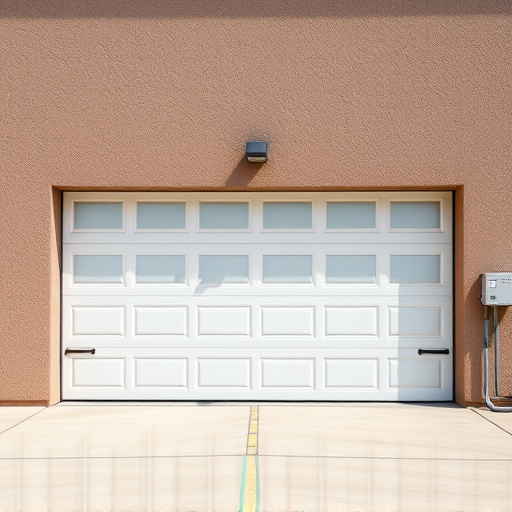
Garages pose unique safety risks including faulty Garage Door Repair, hazardous material storage, electrical issues, and inadequate lighting. Regular inspections are vital to address these, focusing on door components, wiring, grounding, and balance systems. Key areas include openers, control systems, emergency stops, insulation, and alignment. Bi-annual or event-driven inspections, documentation, and collaboration with professionals enhance safety and peace of mind. Regular maintenance like lubrication and tension adjustments prevents entrapment, pinching, and fall risks. Prompt repair of issues saves costs and ensures door longevity.
In the realm of home safety, a often overlooked yet critical area is the garage—a bustling hub that houses not only our vehicles but potentially hazardous equipment. Early identification of garage hazards through meticulous safety inspection checks is paramount to ensuring the well-being of homeowners and their families. This article delves into the intricacies of these checks, highlighting common issues like faulty garage door mechanisms that require expert attention in Garage Door Repair. By equipping readers with this knowledge, we aim to foster proactive safety measures, ultimately revolutionizing how we maintain our garages as integral parts of modern homes.
- Understanding Common Garage Hazards: A Comprehensive Guide
- Conducting Regular Safety Inspections: Steps and Best Practices
- Garage Door Repair: Mitigating Risks for Enhanced Safety
Understanding Common Garage Hazards: A Comprehensive Guide

Garages, while serving as valuable storage spaces or workshop areas, can often pose unique safety risks if not properly maintained and inspected. Understanding common garage hazards is essential for ensuring a safe environment. Regular safety inspection checks play a pivotal role in identifying these potential dangers early on, facilitating proactive measures to mitigate risks. Among the myriad issues, one of the most prevalent hazards is faulty or improperly installed garage doors. According to industry data, garage door malfunctions contribute significantly to property damage and personal injuries annually.
A comprehensive understanding of garage hazards involves scrutinizing various elements beyond just the door mechanism. Leaking gases, hazardous materials storage, electrical wiring issues, and inadequate lighting are all potential pitfalls that can be easily overlooked but pose severe risks. For instance, improper storage of flammable liquids or toxic substances can lead to catastrophic fires or asphyxiation. Similarly, faulty electrical connections or outdated wiring in garage areas increase the likelihood of electrocution or fire hazards. Regular inspections should include thorough checks for any signs of damage, corrosion, or wear and tear, as well as ensuring compliance with local safety regulations, especially regarding Garage Door Repair and maintenance protocols.
Practical insights into hazard identification involve keeping a meticulous record of inspection findings, prioritizing immediate attention to critical issues, and implementing preventive measures. For instance, establishing a regular maintenance schedule for door springs, cables, and other mechanical components can significantly reduce the risk of unexpected failures. Additionally, installing safety sensors, automatic reversers, and ensuring proper garage door alignment are effective strategies to prevent accidents, especially for homes with children or pets. By adopting these proactive steps, homeowners can transform their garages from potential hazard zones into safe havens, fostering a sense of security and peace of mind.
Conducting Regular Safety Inspections: Steps and Best Practices

Regular safety inspections are a cornerstone of maintaining a secure and functional garage environment. Conducting these checks systematically can identify potential hazards early, preventing accidents and reducing risks associated with garage operations. A well-implemented inspection routine includes examining all electrical systems, including lighting fixtures and, most importantly, garage door mechanisms. Any signs of malfunctioning or wear in Garage Door Repair components should prompt immediate attention to prevent catastrophic failures.
Focus on key areas such as the garage door opener, its control system, and emergency stop mechanisms. Ensure that all wiring is secure, free from damage or fraying, and properly insulated. Check for proper grounding to mitigate electric shock risks. Also, inspect the door’s balance and tension systems; misalignment or loose components can lead to dangerous situations. Visual examinations should be accompanied by periodic lubrication of moving parts to enhance performance and safety.
Best practices dictate that these inspections be conducted at regular intervals—at least bi-annually—and after any significant events like storms or accidents. Documenting findings provides a valuable history, aiding in predictive maintenance and ensuring compliance with safety standards. Collaborating with certified garage door repair professionals can offer expert insights and guarantee the highest level of safety during these checks. Regular attention to detail in these inspections fosters a culture of safety, enhancing peace of mind for garage users.
Garage Door Repair: Mitigating Risks for Enhanced Safety

Garage door repair is a critical component of safety inspection checks, addressing potential hazards that could pose significant risks to property and occupants. Regular maintenance and prompt repairs are essential to prevent accidents, especially considering the high rates of garage-related injuries—a 2020 study by the National Electronic Injury Surveillance System (NEISS) reported over 173,000 emergency room visits in the U.S. alone due to garage door incidents. These statistics underscore the importance of proactive safety measures, with garage door repair at the forefront.
The primary risks associated with garage doors include entrapment due to closing doors, pinched fingers or hands from moving parts, and the potential for fall hazards when accessing the attic or working on the door mechanism. To mitigate these risks, homeowners should implement a structured maintenance regimen, including regular lubrication of hinges and tracks, adjustment of tension springs, and visual inspections for signs of wear or damage. For instance, a loose spring can lead to sudden, unexpected door closures, posing a serious danger—a common finding during safety inspections.
When issues are identified, prompt garage door repair is crucial. DIY solutions can be appropriate for minor repairs, but complex problems often require the expertise of professional technicians. A qualified technician can perform a thorough inspection, replace faulty components, and ensure proper balance and alignment, enhancing overall safety and door functionality. Regular check-ups and timely repairs not only protect against accidents but also extend the lifespan of the garage door system, providing long-term cost savings for homeowners.
By understanding common garage hazards and implementing regular safety inspections, individuals can proactively mitigate risks. The article’s key insights emphasize the importance of a systematic approach to identifying and addressing potential dangers, particularly focusing on garage door repair as a critical component of overall safety. Through following best practices detailed in this guide, readers are equipped to ensure their garages are safe, functional spaces, enhancing both peace of mind and the prevention of accidents or injuries. These practical steps serve as a valuable resource for anyone aiming to maintain a secure home environment.