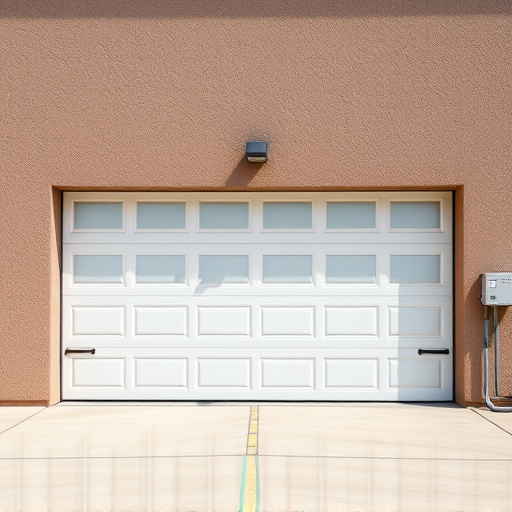
Rust, caused by moisture, poor prep, & inadequate coatings, weakens garage door components, leading to costly failures (up to 70% of issues). Early signs include thin, flaky layers that thicken & penetrate metal, making it brittle. Regular inspection, maintenance, cleaning, & proper coatings prevent rust, extend lifespans, & save on Garage Door Repair costs. Advanced treatments, like rust inhibitors & epoxy paints, provide long-term protection in challenging environments.
In the realm of metal component maintenance, particularly within Garage Door Repair scenarios, rust treatment applications have emerged as a game-changer. The relentless quest for prolonging the longevity of these essential structures has led to innovative solutions, focusing on preventing and mitigating corrosion. This article delves into the multifaceted aspects of rust treatment, offering an authoritative exploration of its diverse applications. By understanding these advanced techniques, professionals like Garage Door Repair specialists can enhance their arsenal, ensuring longer-lasting, robust metal components.
- Understanding Rust: Causes and Effects on Metal Components
- Evaluating Damage: Identifying Rust in Garage Door Repairs
- Effective Cleaning Methods: Removing Rust for Prolonged Lifespan
- Topical Applications: Best Practices for Rust Prevention Treatments
- Advanced Techniques: Sustaining Longevity Through Regular Maintenance
Understanding Rust: Causes and Effects on Metal Components

Rust, a common yet detrimental issue faced by metal component owners, is more than just an aesthetic concern. It’s a sign of corrosion, a process where metal oxidizes in the presence of moisture and carbon dioxide. This oxidation weakens the structural integrity of metal parts, leading to failures that can be costly and dangerous, especially in critical systems like garage door mechanisms.
The effects of rust are multifaceted. Initially, it appears as thin, flaky layers on the metal surface. Over time, these layers thicken, penetrating deeper into the metal’s structure. This penetration weakens the metal, making it brittle and prone to breakage. In a garage door, for instance, rust could compromise the integrity of the tracks, springs, or cables, leading to unexpected failures that pose safety risks. Data from industry reports indicate that up to 70% of garage door issues are related to corrosion, with rust being the primary culprit.
Understanding rust’s causes is crucial for effective prevention and treatment. Key factors include exposure to moisture, poor surface preparation during manufacturing or repair, and inadequate coatings or sealing. Regular inspection and maintenance play a vital role in identifying and addressing rust at its early stages. Garage door owners should implement preventive measures like applying rust-inhibiting coatings and ensuring proper drainage around the door opening to minimize water accumulation. Early detection and treatment, such as sandblasting and repainting, can significantly extend the lifespan of metal components, saving both time and money in the long run.
Evaluating Damage: Identifying Rust in Garage Door Repairs

Evaluating damage and identifying rust is a critical step in any garage door repair process. Rust can weaken structural components, compromising safety and functionality. It’s essential to recognize that early detection plays a pivotal role in minimizing repairs’ scope and cost. During an inspection, professionals scrutinize tracks, brackets, springs, and panels for signs of corrosion. The latter, if extensive, may necessitate replacement, whereas localized rust might be treated with specialized coatings or chemical applications.
For instance, a common scenario involves rusted roller assemblies, which can disrupt smooth operation. In such cases, technicians often recommend replacing the affected parts to restore seamless door movement. Data suggests that timely intervention on rust-prone areas can extend garage door lifespans by several years, underscoring the importance of regular maintenance checks. Moreover, understanding rust’s progression aids in choosing appropriate treatments, whether it’s a simple cleaning solution or more advanced interventions like hot-dip galvanizing for severely compromised components.
In garage door repair, proactive measures are key. Homeowners can inspect their doors monthly, looking for visual cues of corrosion. Catching rust early allows for less invasive fixes and prevents more substantial (and costly) repairs down the line. Regular professional inspections further ensure that any potential issues are addressed promptly, maintaining the structural integrity and reliable operation of these essential entry points into our homes and garages.
Effective Cleaning Methods: Removing Rust for Prolonged Lifespan

Rust treatment applications play a pivotal role in extending the lifespan of metal components, including those found in everyday structures like garage door systems. Effective cleaning methods are the cornerstone of this process, as they prepare the surface for successful rust prevention techniques. The initial step involves thoroughly inspecting the affected area to assess the extent of corrosion. This often requires professionals to don protective gear, given the potentially hazardous nature of handling rusty components.
One widely adopted method for removing rust is mechanical cleaning, which utilizes tools like wire brushes and scrapers to physically exfoliate the corroded layer. This approach is particularly effective for light to moderate rust buildup on metal surfaces. For instance, when addressing a rusty garage door track, a power washer can be employed after manual de-rusting with a wire brush to ensure comprehensive cleaning. Chemical solutions also find application in this context, with various rust remover compounds available that dissolve corrosion. These chemicals are chosen based on their compatibility with the specific metal and should be used with caution, adhering to safety guidelines.
Following cleaning, it’s crucial to implement preventive measures such as applying rust inhibitor sprays or coatings. These products create a protective barrier, shielding the metal from future moisture penetration—a primary cause of rust formation. Garage door repair professionals often emphasize the importance of regular cleaning and sealing to maintain the integrity of these components over extended periods, underscoring the long-term benefits of proactive maintenance practices.
Topical Applications: Best Practices for Rust Prevention Treatments

Rust prevention treatments are a critical component of prolonging the lifespan of metal components, particularly in environments where moisture and corrosive elements are prevalent. Among various applications, topical treatments stand out as one of the most effective strategies. These methods involve applying specialized coatings or chemicals directly to the metal surface, creating a protective barrier against rust formation. For instance, garage door repair professionals often utilize high-quality rust inhibitors as part of their routine maintenance, significantly enhancing the door’s resistance to corrosion.
Best practices in topical applications emphasize preparation as the cornerstone of successful rust prevention. The surface must be thoroughly cleaned and decontaminated to remove any grease, dirt, or existing rust. This step ensures that the protective coating adheres properly. Experts recommend using industrial-strength cleaners and following up with a phosphate-based conversion coat, which creates a reactive surface for subsequent coatings. In commercial settings, where large metal structures are involved, specialized equipment like pressure washers can streamline this process, ensuring consistent results.
Coating selection is another critical aspect. Epoxidies, polyurethanes, and vinyls are popular choices due to their excellent adhesion, flexibility, and resistance to harsh conditions. For instance, a study by the American Society for Testing and Materials (ASTM) found that epoxy-based coatings can provide up to 10 years of protection against corrosion in exterior applications. When applying these coatings, it’s essential to follow manufacturer guidelines regarding surface preparation and film thickness to ensure optimal performance. Regular reapplication every few years is also crucial, as the protective layer degrades over time, especially in environments with high humidity or frequent temperature fluctuations.
Advanced Techniques: Sustaining Longevity Through Regular Maintenance

Advanced techniques play a pivotal role in sustaining the longevity of metal components, particularly in environments where they are subjected to constant use and varying weather conditions. Regular maintenance is not just a recommendation; it’s an essential practice that can extend the life of structures like garage doors, ensuring they remain functional and secure for years to come. One such technique involves the application of rust treatments, which have proven to be highly effective in combating corrosion.
Rust prevention strategies have evolved significantly, offering more durable solutions than traditional methods. For instance, advanced coatings designed to resist corrosion can provide up to 50% longer protection compared to conventional paints. These modern coatings not only act as a barrier against moisture and UV rays but also fill small gaps and cracks, preventing rust from forming at the point of contact between metal and air. In the context of garage door repair, this translates into fewer repairs and reduced replacement costs over time.
Expert mechanics and maintenance teams often employ a multi-step approach to ensure optimal results. This includes thorough cleaning to remove dirt and grease, followed by priming to prepare the surface for coating. The application of high-quality rust inhibitors or epoxy-based paints completes the process, creating an impenetrable shield against environmental aggressors. Regular inspections are crucial in this regard, as they allow for early detection of any signs of corrosion, enabling prompt action before it escalates into a major issue. By integrating these advanced techniques into their maintenance routines, property owners can significantly enhance the durability of their metal structures, avoiding costly repairs and replacements.
By understanding rust’s causes and effects on metal components, readers are equipped to effectively evaluate and address rust damage during garage door repairs. The article has outlined powerful cleaning methods for removing rust, emphasizing the importance of proactive maintenance. Key takeaways include adopting topical applications as best practices for rust prevention and exploring advanced techniques to sustain longevity through regular care. These insights empower individuals to significantly prolong the lifespan of their metal components, including garage doors, ultimately enhancing structural integrity and reducing replacement costs.