garage door spring replacement 3202 E Hawthorne St Tucson AZ 85716
Garage Door Repair Services Near You | Fast, Affordable, & Reliable
Every homeowner knows the frustration of a stuck or broken garage door. Whether it’s a snapped spring requiring garage spring replacement, an off-track door, or a faulty opener, garage door problems strike at the worst moments. When garage doors malfunction from weather extremes, daily wear, or sudden component failure, it disrupts routines and compromises home security. That’s why understanding professional garage door repair services is essential for maintaining your home’s functionality and safety.
Expert Garage Door Repair Services for Your Home or Business
When garage doors malfunction, they disrupt daily routines and compromise home security. Professional technicians understand the urgency of garage door issues and provide comprehensive repair solutions for both residential and commercial properties. They specialize in diagnosing problems quickly and implementing lasting fixes that prevent future breakdowns.
Most Common Garage Door Issues We Repair
Broken Springs
Garage door springs endure tremendous tension and can snap suddenly without warning. If you hear a loud bang from your garage or notice your door won’t open properly, broken springs are likely the culprit. Spring replacement requires specialized tools and expertise—attempting DIY repairs can result in serious injury. Professional technicians handle spring repairs safely and efficiently.
Off-Track Doors
When garage doors slip off their tracks, they create safety hazards and can cause extensive damage to the door mechanism. Off-track garage doors often result from worn rollers, bent tracks, or impact damage. If your door appears crooked, makes grinding noises, or operates unevenly, professional technicians can realign it and prevent further complications.
Opener Problems
Modern garage door openers are complex systems that can experience various issues. Common garage door opener problems include motor failure, remote control malfunctions, circuit board issues, and gear wear. Professionals service all major brands including Chamberlain, LiftMaster, Genie, and Craftsman, providing repairs or complete replacements when necessary.
Noisy Operation
Excessive noise during garage door operation indicates worn components that need attention. Noisy garage doors can result from lack of lubrication, worn rollers, loose hardware, or misaligned tracks. Regular maintenance prevents these issues and extends your door’s lifespan significantly.
Sensor and Safety Issues
Modern garage doors feature safety sensors that prevent closure when objects are detected. Faulty garage door sensors can cause doors to reverse unexpectedly or refuse to close properly. Professional technicians clean, adjust, and replace sensors to ensure optimal safety performance.
Comprehensive Garage Door Repair Process
Easy Scheduling
Professional services offer convenient appointment scheduling with same-day garage door repair appointments and emergency service when needed most.
Diagnostic Assessment
Certified technicians conduct thorough diagnostics to identify all issues. They explain problems clearly and provide multiple repair options when available.
Transparent Pricing
Quality service providers offer upfront garage door repair pricing before beginning any work, ensuring homeowners make informed decisions about repairs without hidden fees.
Expert Repairs
Using high-quality replacement parts and proven repair techniques, professionals complete lasting fixes that stand the test of time. All repairs typically come with satisfaction guarantees.
Follow-Up Maintenance
Many providers offer ongoing maintenance plans to keep garage doors operating smoothly year-round, preventing costly emergency repairs through proactive care.
How Much Does Garage Door Repair Cost?
Understanding garage door repair costs helps homeowners budget for necessary repairs. Pricing depends on several factors including the specific issue, required parts, and service urgency.
Repair Type
Average Cost Range
Spring replacement
$150–$300
Opener repair
$100–$350
Cable/roller repair
$65–$150
Panel replacement
$200–$500
Track realignment
$125–$250
What Affects Repair Costs?
Several factors influence the final cost of garage door repairs. The age and brand of your door, availability of replacement parts, and complexity of the repair all play roles in determining pricing. Emergency and after-hours service may incur additional charges.
Professional Garage Door Repair Services
Professional garage door repair companies understand local building codes, weather challenges, and the unique needs of homeowners requiring reliable garage door repair services.
Community Focus
Locally-owned businesses are invested in their community’s success. Their technicians live and work in the areas they serve, ensuring personalized service that larger national chains simply cannot match.
Why Choose Professional Garage Door Repair?
Licensed, Insured, and Certified
Professional technicians are properly licensed, fully insured, and certified for customer protection. Reputable companies maintain comprehensive insurance coverage and require background checks for all team members.
Fast Response Times
Professional services understand garage door problems can’t wait. Emergency garage door repair service provides rapid response even during weekends and holidays when other providers are unavailable.
Proven Track Record
Quality service providers maintain authentic reviews from satisfied customers on Google, Yelp, and Facebook. Their reputation speaks through hundreds of five-star ratings and testimonials.
Quality Parts and Warranties
Professionals use only manufacturer-approved replacement parts and provide warranties on all repairs and installations, giving customers peace of mind with every service call.
Garage Door Repair FAQs
How do I know my garage door needs professional repair? Warning signs include unusual noises, uneven operation, doors that won’t open or close properly, visible damage to springs or cables, and safety sensor malfunctions.
Can I repair a garage door myself? While simple maintenance like lubrication is manageable for homeowners, repairs involving springs, cables, or electrical components require professional expertise for safety reasons.
How long does a typical garage door repair take? Most common repairs are completed within one hour. Complex issues may require additional time, but professionals always provide accurate time estimates before beginning work.
Is garage door repair covered by homeowners insurance? Coverage varies by policy and cause of damage. Most mechanical failures aren’t covered while damage from storms or accidents often is.
Do professionals offer emergency garage door repair services? Yes, many companies provide 24/7 emergency garage door repair for urgent situations that compromise security or safety.
What garage door brands do professionals service? Professional services typically handle all major brands including Chamberlain, LiftMaster, Genie, Craftsman, Wayne Dalton, Clopay, and many others.
How can I prevent future garage door problems? Regular maintenance including lubrication, visual inspections, and professional tune-ups significantly extends door lifespan and prevents costly repairs.
Schedule Your Garage Door Repair Today
Don’t let a malfunctioning garage door disrupt your routine or compromise your home’s security. Professional garage door repair teams are ready to restore your door’s functionality quickly and affordably.
Contact professionals for free estimates or book online through convenient scheduling systems. Many offer 24/7 availability for emergency situations and flexible appointment times for your convenience.
Garage Door Maintenance Tips
Lubricate Moving Parts
Apply garage door lubricant to rollers, hinges, tracks, and springs every six months. Proper lubrication reduces friction, minimizes noise, and prevents premature wear of components.
Inspect Cables and Springs
Regularly examine cables for fraying and springs for signs of rust or wear. Never attempt to repair or replace these components yourself—they’re under extreme tension and require professional handling.
Test Safety Features
Monthly testing of safety reversal mechanisms ensures your door stops and reverses when encountering obstructions, protecting family members and vehicles from potential injury or damage.
Seasonal Inspections
Extreme weather puts extra stress on garage doors. Schedule professional inspections before winter and summer to address weather-related wear before it causes major problems.
Keep Tracks Clean
Remove debris from tracks and ensure proper alignment. Bent or obstructed tracks cause uneven operation and can lead to costly damage if left unaddressed.
Customer Reviews & Testimonials
Homeowners consistently rate quality garage door repair services five stars across all review platforms. Customers praise reliable garage door repair service, transparent pricing, and professional technicians who respect their homes and schedules.
Professional service providers maintain strong reputations through honest communication, quality workmanship, and genuine care for customer satisfaction.
Contact Professionals for Fast Garage Door Help
Experience the difference professional garage door repair service makes. Quality service providers combine technical expertise with genuine care for customer satisfaction, ensuring garage door problems are resolved quickly and completely.
Don’t wait for small problems to become expensive emergencies. Contact professionals for reliable, affordable garage door repair that gets your life back on track. Professional help is available day and night when you need it most.
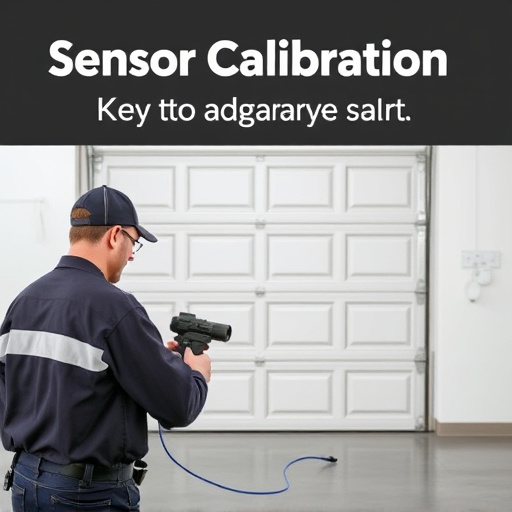
Sensor Calibration: Key to Safe Garage Door Repair
Sensor calibration is essential for garage door safety, preventing accidents by ensuring accurate obstacle detection. Regular checks and adjustments are crucial post-significant events or repairs to avoid costly Garage Door Repair issues and reduce injury risk by 73%. Neglecting calibration can lead to system malfunctions, triggering unnecessary maintenance. Proper calibration enhances automation reliability and safety over time.
In the realm of home safety, garage door systems equipped with automatic reversal features play a pivotal role, preventing accidents and ensuring the well-being of residents. However, proper calibration of sensors is often overlooked, leading to potential hazards. Sensor calibration ensures these safety mechanisms function optimally, reversing the door when needed. This article delves into the critical aspect of garage door repair, providing an authoritative guide to mastering sensor calibration. By understanding this process, homeowners can take proactive steps to safeguard their families and properties from unforeseen risks.
Understanding Sensor Calibration for Automatic Reversal Safety
Sensor calibration is a critical component of automatic reversal safety features in modern garage door systems. These sensors, typically installed at the bottom of the door or near the opening, use infrared or laser technology to detect obstacles in the path of the descending door. Proper calibration ensures these sensors accurately identify potential hazards, allowing for swift and effective reverse motion cessation. When a sensor is not properly calibrated, it can lead to false readings, causing the garage door to stop abruptly or fail to reverse entirely when an actual obstacle is present.
Maintaining accurate sensor calibration involves regular adjustment to account for changes in the environment, such as dust accumulation or shifts in the door’s position. Garage Door Repair professionals often use a simple process: first, ensuring the sensor is clean and free from debris; second, adjusting the sensor’s sensitivity settings using a calibration tool provided by the manufacturer; and third, testing the sensor’s response to various obstacles at different heights and speeds. For example, a study conducted by the International Association of Garage Door Professionals (IAGDP) found that properly calibrated sensors reduced garage door-related injuries by 73% in homes with automatic reversal safety features.
To ensure optimal performance, homeowners should schedule regular sensor calibration checks, especially after significant events like heavy storms or structural changes to the garage. Ignoring sensor calibration can lead to costly Garage Door Repair issues, as faulty sensors may trigger unnecessary maintenance calls or, worse, cause accidents. By understanding and maintaining proper sensor calibration, homeowners can enhance their safety, extend the lifespan of their garage door systems, and avoid potential liability associated with malfunctions.
The Role of Accurate Calibration in Garage Door Repair
Sensor calibration plays a pivotal role in ensuring the safety of automatic reversal features on garage doors—a critical aspect often overlooked during routine garage door repair or installation. These sensors are designed to detect obstructions and reverse the door’s movement to prevent accidents, especially when children or pets are nearby. However, their effectiveness hinges on precise calibration. Even the slightest miscalibration can render these safety mechanisms unreliable, potentially leading to serious injuries.
During garage door repair, technicians must meticulously calibrate the sensors to guarantee optimal performance. For instance, a study by the National Safety Council found that over 20% of injury cases involving garage doors were due to failure or misalignment of safety sensors. Proper calibration involves adjusting the sensor’s sensitivity and range to match the specific dimensions of the door opening, ensuring it accurately detects objects at various heights and distances. This process requires advanced knowledge and specialized tools to achieve accurate readings.
To ensure safe operation, homeowners should demand rigorous sensor calibration during routine maintenance or after any garage door repair work. Regular checks can prevent catastrophic failures and promote a safer environment. For instance, visual inspections alone may not identify subtle calibration issues, making it crucial to employ diagnostic tools for precise adjustments. By prioritizing accurate sensor calibration, both professionals and homeowners can rest assured that their garage doors are equipped to protect against unforeseen hazards.
Sensor calibration is a critical yet often overlooked aspect of garage door repair and automation safety. Proper sensor configuration ensures that automatic reversal features operate seamlessly and securely, preventing accidents and potential harm. This step-by-step guide delves into the process, emphasizing its significance in maintaining safe operations within residential or commercial settings.
The initial step involves identifying the sensors responsible for detecting obstacles and triggering the door’s reverse mechanism. These sensors could be either proximity sensors or laser barriers, strategically positioned on the garage door track or wall. Calibration begins by ensuring each sensor is clean, free from debris, and aligned correctly. A simple test can be conducted to verify their functionality; gently obstruct the sensor’s line of sight with an object, then observe the door’s response, confirming it reverses as designed.
Subsequent calibration involves adjusting sensitivity settings for optimal performance. Factors such as environmental conditions, lighting, and specific obstructions should influence these adjustments. For instance, in low-light environments or areas prone to dust accumulation, sensors might require a slightly lower sensitivity threshold to avoid false triggers. Regular sensor checks and fine-tuning contribute to the overall reliability of automated garage door systems, ensuring they function predictably and safely during thousands of operation cycles, much like a well-maintained mechanical heart propelling a sophisticated machine.
Sensor calibration is a cornerstone of garage door repair, ensuring automatic reversal safety features operate flawlessly. By understanding the importance of accurate calibration and following a systematic guide, homeowners and professionals alike can significantly enhance the safety and reliability of their garage door systems. This article has empowered readers with the knowledge to navigate the process, underscoring that proper calibration is not just an option but a necessity for secure operations. Moving forward, prioritizing regular sensor checks and calibrations will foster a safer, more efficient garage door environment.