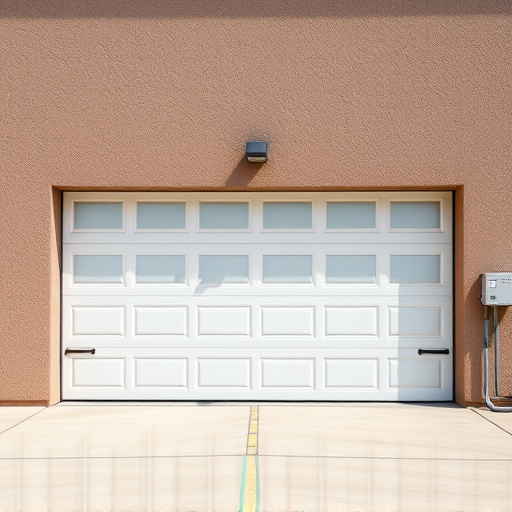
garage door spring replacement 3202 E Hawthorne St Tucson AZ 85716
Garage Door Repair Services Near You | Fast, Affordable, & Reliable
Every homeowner knows the frustration of a stuck or broken garage door. Whether it’s a snapped spring requiring garage spring replacement, an off-track door, or a faulty opener, garage door problems strike at the worst moments. When garage doors malfunction from weather extremes, daily wear, or sudden component failure, it disrupts routines and compromises home security. That’s why understanding professional garage door repair services is essential for maintaining your home’s functionality and safety.
Expert Garage Door Repair Services for Your Home or Business
When garage doors malfunction, they disrupt daily routines and compromise home security. Professional technicians understand the urgency of garage door issues and provide comprehensive repair solutions for both residential and commercial properties. They specialize in diagnosing problems quickly and implementing lasting fixes that prevent future breakdowns.
Most Common Garage Door Issues We Repair
Broken Springs
Garage door springs endure tremendous tension and can snap suddenly without warning. If you hear a loud bang from your garage or notice your door won’t open properly, broken springs are likely the culprit. Spring replacement requires specialized tools and expertise—attempting DIY repairs can result in serious injury. Professional technicians handle spring repairs safely and efficiently.
Off-Track Doors
When garage doors slip off their tracks, they create safety hazards and can cause extensive damage to the door mechanism. Off-track garage doors often result from worn rollers, bent tracks, or impact damage. If your door appears crooked, makes grinding noises, or operates unevenly, professional technicians can realign it and prevent further complications.
Opener Problems
Modern garage door openers are complex systems that can experience various issues. Common garage door opener problems include motor failure, remote control malfunctions, circuit board issues, and gear wear. Professionals service all major brands including Chamberlain, LiftMaster, Genie, and Craftsman, providing repairs or complete replacements when necessary.
Noisy Operation
Excessive noise during garage door operation indicates worn components that need attention. Noisy garage doors can result from lack of lubrication, worn rollers, loose hardware, or misaligned tracks. Regular maintenance prevents these issues and extends your door’s lifespan significantly.
Sensor and Safety Issues
Modern garage doors feature safety sensors that prevent closure when objects are detected. Faulty garage door sensors can cause doors to reverse unexpectedly or refuse to close properly. Professional technicians clean, adjust, and replace sensors to ensure optimal safety performance.
Comprehensive Garage Door Repair Process
Easy Scheduling
Professional services offer convenient appointment scheduling with same-day garage door repair appointments and emergency service when needed most.
Diagnostic Assessment
Certified technicians conduct thorough diagnostics to identify all issues. They explain problems clearly and provide multiple repair options when available.
Transparent Pricing
Quality service providers offer upfront garage door repair pricing before beginning any work, ensuring homeowners make informed decisions about repairs without hidden fees.
Expert Repairs
Using high-quality replacement parts and proven repair techniques, professionals complete lasting fixes that stand the test of time. All repairs typically come with satisfaction guarantees.
Follow-Up Maintenance
Many providers offer ongoing maintenance plans to keep garage doors operating smoothly year-round, preventing costly emergency repairs through proactive care.
How Much Does Garage Door Repair Cost?
Understanding garage door repair costs helps homeowners budget for necessary repairs. Pricing depends on several factors including the specific issue, required parts, and service urgency.
Repair Type
Average Cost Range
Spring replacement
$150–$300
Opener repair
$100–$350
Cable/roller repair
$65–$150
Panel replacement
$200–$500
Track realignment
$125–$250
What Affects Repair Costs?
Several factors influence the final cost of garage door repairs. The age and brand of your door, availability of replacement parts, and complexity of the repair all play roles in determining pricing. Emergency and after-hours service may incur additional charges.
Professional Garage Door Repair Services
Professional garage door repair companies understand local building codes, weather challenges, and the unique needs of homeowners requiring reliable garage door repair services.
Community Focus
Locally-owned businesses are invested in their community’s success. Their technicians live and work in the areas they serve, ensuring personalized service that larger national chains simply cannot match.
Why Choose Professional Garage Door Repair?
Licensed, Insured, and Certified
Professional technicians are properly licensed, fully insured, and certified for customer protection. Reputable companies maintain comprehensive insurance coverage and require background checks for all team members.
Fast Response Times
Professional services understand garage door problems can’t wait. Emergency garage door repair service provides rapid response even during weekends and holidays when other providers are unavailable.
Proven Track Record
Quality service providers maintain authentic reviews from satisfied customers on Google, Yelp, and Facebook. Their reputation speaks through hundreds of five-star ratings and testimonials.
Quality Parts and Warranties
Professionals use only manufacturer-approved replacement parts and provide warranties on all repairs and installations, giving customers peace of mind with every service call.
Garage Door Repair FAQs
How do I know my garage door needs professional repair? Warning signs include unusual noises, uneven operation, doors that won’t open or close properly, visible damage to springs or cables, and safety sensor malfunctions.
Can I repair a garage door myself? While simple maintenance like lubrication is manageable for homeowners, repairs involving springs, cables, or electrical components require professional expertise for safety reasons.
How long does a typical garage door repair take? Most common repairs are completed within one hour. Complex issues may require additional time, but professionals always provide accurate time estimates before beginning work.
Is garage door repair covered by homeowners insurance? Coverage varies by policy and cause of damage. Most mechanical failures aren’t covered while damage from storms or accidents often is.
Do professionals offer emergency garage door repair services? Yes, many companies provide 24/7 emergency garage door repair for urgent situations that compromise security or safety.
What garage door brands do professionals service? Professional services typically handle all major brands including Chamberlain, LiftMaster, Genie, Craftsman, Wayne Dalton, Clopay, and many others.
How can I prevent future garage door problems? Regular maintenance including lubrication, visual inspections, and professional tune-ups significantly extends door lifespan and prevents costly repairs.
Schedule Your Garage Door Repair Today
Don’t let a malfunctioning garage door disrupt your routine or compromise your home’s security. Professional garage door repair teams are ready to restore your door’s functionality quickly and affordably.
Contact professionals for free estimates or book online through convenient scheduling systems. Many offer 24/7 availability for emergency situations and flexible appointment times for your convenience.
Garage Door Maintenance Tips
Lubricate Moving Parts
Apply garage door lubricant to rollers, hinges, tracks, and springs every six months. Proper lubrication reduces friction, minimizes noise, and prevents premature wear of components.
Inspect Cables and Springs
Regularly examine cables for fraying and springs for signs of rust or wear. Never attempt to repair or replace these components yourself—they’re under extreme tension and require professional handling.
Test Safety Features
Monthly testing of safety reversal mechanisms ensures your door stops and reverses when encountering obstructions, protecting family members and vehicles from potential injury or damage.
Seasonal Inspections
Extreme weather puts extra stress on garage doors. Schedule professional inspections before winter and summer to address weather-related wear before it causes major problems.
Keep Tracks Clean
Remove debris from tracks and ensure proper alignment. Bent or obstructed tracks cause uneven operation and can lead to costly damage if left unaddressed.
Customer Reviews & Testimonials
Homeowners consistently rate quality garage door repair services five stars across all review platforms. Customers praise reliable garage door repair service, transparent pricing, and professional technicians who respect their homes and schedules.
Professional service providers maintain strong reputations through honest communication, quality workmanship, and genuine care for customer satisfaction.
Contact Professionals for Fast Garage Door Help
Experience the difference professional garage door repair service makes. Quality service providers combine technical expertise with genuine care for customer satisfaction, ensuring garage door problems are resolved quickly and completely.
Don’t wait for small problems to become expensive emergencies. Contact professionals for reliable, affordable garage door repair that gets your life back on track. Professional help is available day and night when you need it most.
Sensor Calibration: Key to Safe Garage Door Repair
Accurate sensor calibration is vital for garage door safety, preventing accidents by ensuring automatic reversal features work correctly. Professionals recommend regular checks (6-12 months) involving sensitivity adjustments based on garage dimensions. Basic adjustments can be made by homeowners using manufacturer guidelines, but consulting a certified Garage Door Repair specialist ensures optimal safety and performance. Regular maintenance, including calibration, reduces accident risks and extends door lifespan.
In the realm of home automation, garage door repair and safety stand as paramount concerns. Sensor calibration plays a pivotal role in ensuring automatic reversal features function flawlessly, safeguarding both property and inhabitants from potential hazards. The issue arises when imprecise sensors lead to incorrect reverse activation, causing frustration and putting lives at risk. This article delves into the intricacies of sensor calibration, offering practical insights for professionals and homeowners alike to maintain safe and efficient garage door operations, naturally enhancing the overall living experience.
Understanding Sensor Calibration for Garage Door Safety
Sensor calibration is a critical yet often overlooked aspect of garage door safety, playing a pivotal role in ensuring automatic reversal features function accurately and reliably. Garage doors are among the heaviest moving objects in a home, presenting significant risks if not properly managed. Sensors, typically installed at the door’s opening, are designed to detect obstacles and trigger automatic reversal, halting the door before it causes harm. However, for these safety mechanisms to be effective, sensors must be precisely calibrated to accurately interpret space and movement within the garage door opening.
Proper calibration involves adjusting the sensor’s sensitivity and range to match the specific dimensions of the garage. Misalignment or incorrect settings can lead to false readings, causing the door to reverse unnecessarily or, worse, fail to reverse when an obstacle is present. For instance, a sensor set too far away from the door’s path might not detect a child playing near the opening, while a sensor too close could trigger reversals on passing vehicles, leading to potential garage door repair issues or even accidents. Regular calibration checks, recommended at least once a year by industry professionals, ensure these scenarios are avoided, promoting safe and efficient operation.
Garage door owners can perform basic calibration adjustments themselves using manufacturer guidelines, but for optimal results, especially in complex installations, consulting a certified garage door repair specialist is advisable. These experts have the tools and expertise to accurately measure and fine-tune sensor placement, taking into account factors like garage door size, type of sensors used, and local building codes. By prioritizing regular sensor calibration, homeowners can significantly reduce garage door-related risks while enjoying peace of mind knowing their automatic reversal safety features are functioning at peak performance.
The Role of Accurate Calibration in Automatic Reversal
Accurate sensor calibration plays a pivotal role in ensuring the reliable operation of automatic reversal safety features on garage door systems. These sensors, strategically positioned near the door’s opening, are designed to detect obstacles and prompt the door to stop or reverse its movement to prevent accidents. However, improper calibration can lead to false readings, causing the door to malfunction or not respond as intended during emergency situations. For instance, a study by the National Institute of Standards and Technology (NIST) revealed that up to 20% of automatic door sensors in commercial settings were miscalibrated, resulting in increased risk of property damage and personal injury.
Proper calibration involves meticulous adjustment of sensor parameters, including sensitivity levels and detection zones, to match the specific garage door setup. This process requires a deep understanding of the garage’s spatial layout, the door’s mechanics, and potential interference factors. For example, a sensor located near a corner or an overhanging structure might need lower sensitivity settings to avoid false triggers from nearby objects not posing actual dangers. Garage Door Repair professionals emphasize the significance of regular calibration checks, recommending every 6-12 months, depending on usage frequency and environmental conditions.
To ensure optimal performance, it’s essential for homeowners and maintenance teams to work with certified technicians who employ industry-standard calibration equipment and methodologies. This includes utilizing specialized tools to measure sensor response times and adjust settings accordingly. Regular calibration not only enhances safety but also extends the lifespan of automatic reversal mechanisms by preventing wear and tear caused by consistent misalignment or false signals. By prioritizing accurate sensor calibration, garage door systems can provide efficient, secure, and dependable operation for years to come.
Troubleshooting Common Issues: Garage Door Repair Tips
Sensor calibration plays a pivotal role in ensuring the safe operation of automatic reversal safety features on garage doors—a critical aspect often overlooked during garage door repair. Malfunctioning sensors can lead to accidents, highlighting the need for regular calibration checks. Common issues include misaligned sensors or interference from nearby objects, causing the door to reverse unexpectedly. For instance, a study by the National Safety Council found that over 20,000 emergency room visits in the US were due to garage door-related injuries between 2015 and 2019.
Troubleshooting these issues requires a systematic approach. First, visually inspect the sensors for any debris or damage. Clean the area thoroughly to ensure clear line-of-sight between the sensor and the door’s photoeye. In many cases, simple adjustments can be made to align the sensors correctly. For instance, if one sensor appears slightly blocked, moving it slightly forward or backward might resolve the issue. However, professional intervention is advised for complex calibrations, as incorrect adjustments can compromise safety.
During garage door repair, technicians should employ advanced diagnostic tools to test sensor performance accurately. These tools can simulate various scenarios to uncover any discrepancies in sensor response times. Regular maintenance checks, including calibration, every 6-12 months, are recommended to prevent sudden failures. By adopting proactive measures, homeowners and professionals alike can significantly reduce the risk of accidents, ensuring a safer environment for all garage door users.
Sensor calibration is a critical aspect of garage door safety, ensuring automatic reversal features operate correctly and prevent accidents. By understanding the process and addressing common issues through proper troubleshooting, homeowners can significantly enhance the security of their Garage Door Repair systems. Accurate calibration ensures that doors reverse smoothly when sensing obstacles, protecting both residents and property from potential harm. This article’s key insights emphasize the importance of regular calibration checks and provide practical tips for effective garage door maintenance.