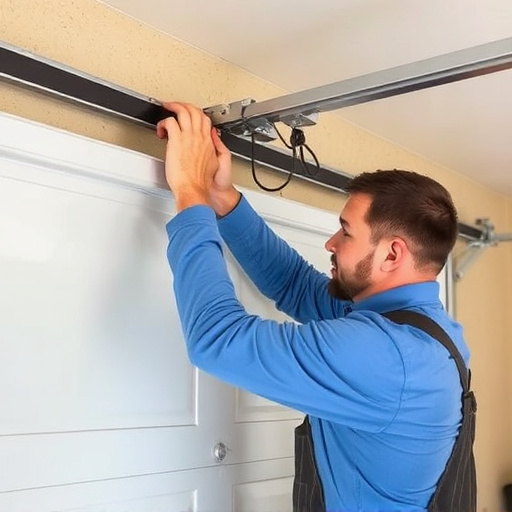
In the scorching heat and turbulent winds of Southern Arizona's monsoon season, your garage door becomes a critical line of defense for your home's security and comfort. However, extreme weather conditions can wreak havoc on your garage door, leading to a host of problems, from a door off track to squeaky hinges and grinding noises. These issues not only compromise your home's safety but can also cause costly damage if left unaddressed. This article provides comprehensive seasonal advice on diagnosing and repairing common garage door problems, with a special focus on door frame and jamb repair, to help you maintain a reliable, secure door through every storm.
- Heat-Related Garage Door Struggles: Common Causes & Prevention
- Dust & Monsoon Storms: Impact on Garage Door Mechanisms
- Diagnosing Track & Frame Issues: A Step-by-Step Guide
- Natural Repairs for Door Frame & Jamb: Long-Term Solutions
Heat-Related Garage Door Struggles: Common Causes & Prevention
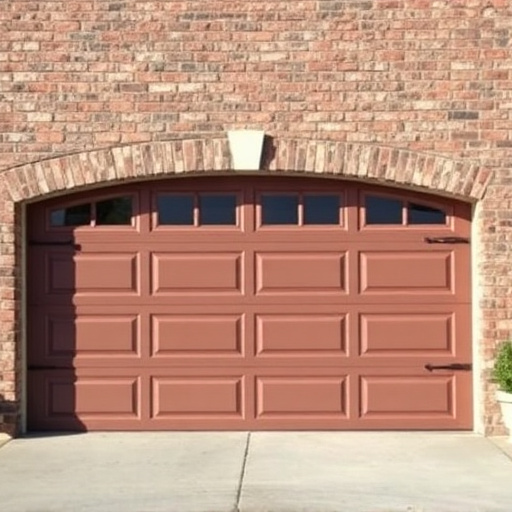
Heat-Related Garage Door Struggles: Introducing Common Causes and Prevention Strategies
The intense desert heat, coupled with the prevalent dust storms, can take a toll on your garage door system, leading to unexpected breakdowns and costly repairs. As a family-run Tucson garage door business with extensive experience, we've witnessed firsthand the unique challenges these seasonal conditions present. This section examines the common causes of heat-related garage door issues and offers practical tips to prevent them, ensuring your door operates smoothly through every storm.
One of the primary culprits is thermal expansion and contraction. During the day, the desert heat causes the garage door tracks, rollers, and other components to expand, while cooler evening temperatures can lead to warping and misalignment. This cyclical stress can result in a door that shakes, squeaks, or even becomes off-track. A once-straight track might develop a noticeable bend, causing the door to close unevenly or get stuck halfway down. Regular maintenance is key here; periodic checks for any signs of misalignment or damage can help catch these issues early on. A simple adjustment or replacement of worn parts may be all that's needed to prevent more severe problems.
Dust is another formidable foe, especially in a dusty climate like Tucson. Over time, dust buildup on the door's moving parts can lead to rust, corrosion, and reduced functionality. It can also cause friction, making the door slower to close or even prevent it from closing altogether. To combat this, a regular cleaning routine is essential. Using a soft cloth or brush to wipe down the door, tracks, and rollers can keep dust at bay. Local hardware stores offer a range of garage door maintenance kits, which include lubricants and cleaning products designed specifically for these tasks. As a rule of thumb, consider performing these basic maintenance checks every few months to keep your door in top shape.
To avoid surprise garage door repair costs, proactive measures are crucial. Regular inspections by a licensed Tucson garage door service can identify potential issues before they become major problems. A technician can replace worn out rollers, lubricate the hinges, or realign the door to prevent future heat-related struggles. Ensuring that your door's bottom seal is in good condition can prevent dust and debris from entering your garage, thus reducing the chances of costly repairs. By staying attuned to these seasonal challenges and implementing simple preventive measures, you can keep your garage door running smoothly year-round.
Dust & Monsoon Storms: Impact on Garage Door Mechanisms
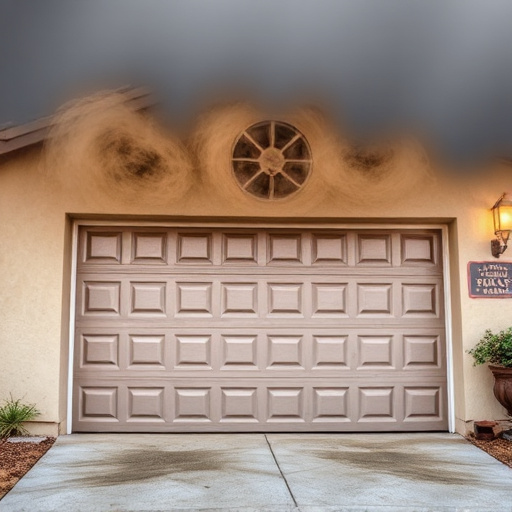
The intense heat, dense dust, and unpredictable monsoon storms of Southern Arizona can take a severe toll on your garage door mechanisms. These environmental factors can lead to a variety of issues, from panels warping and tracks twisting to rusted components and grinding noises that signal a need for repair.
Monsoon storms, with their high humidity and sudden bursts of wind, accelerate corrosion and wear on garage door parts. The constant movement of the door, amplified during storms, can cause stress on hinges, rollers, and the track system, leading to misalignments and uneven operation. You may notice your garage door shaking, reversing, or taking longer than usual to close, all signs that something is amiss. The track may be bent from wind-driven debris, or the panels may be warped from heat expansion, causing a misalignment that prevents the door from sealing properly.
Regular inspection and maintenance are crucial to head off major problems. A family run Tucson garage door business recommends checking for loose or damaged panels, tracking for signs of rust or deformation, and lubricating the hinges and rollers. If you hear grinding noises, don't ignore them; it's often a sign of worn or damaged components that, left unattended, could lead to more serious and costly repairs. A professional inspection can pinpoint specific issues, whether it's a simple bottom seal replacement or a more complex hinge repair. By addressing these problems promptly, you can prevent costly repairs and ensure your garage door operates smoothly and safely throughout the year. In cases of severe storm damage, when panels are dented or the door frame and jamb are compromised, expert repair or replacement may be necessary to restore functionality and safety.
Diagnosing Track & Frame Issues: A Step-by-Step Guide

Heat, dust, and monsoon storms can wreak havoc on your garage door, leading to a range of problems that may seem daunting at first. One of the most common issues, and often a sign of more significant structural damage, is a door that's off track. This can cause a variety of symptoms, from a door that won't close all the way to a loud grinding noise. Diagnosing the issue accurately is key to avoiding surprise repair costs.
When your garage door track begins to show signs of wear, such as bending or significant gaps, it's time to investigate further. Start by visually inspecting the track for any visible damage. Look for dents, cracks, or warping. If you notice any of these, it's likely the track needs to be realigned or replaced. Next, check the rollers. Nylon rollers, which guide the door smoothly along the track, can become worn or contaminated with dust, causing them to bind or spin freely. This can lead to a slow, uneven door movement. If the rollers appear damaged or contaminated, consider replacing them to ensure the door operates smoothly and efficiently.
Hinges are another critical component that can fail over time. A garage door hinge that's become loose or rusted can cause the door to shake or bind, leading to an off-track condition. Inspect the hinges for any signs of wear, rust, or looseness. If they appear damaged, a Tucson garage door specialist can replace them, ensuring the door's stability and safety. Regular maintenance, including cleaning and lubricating the hinges, can help prevent these issues. By following these steps and tips, you can avoid unexpected repairs and maintain a well-functioning garage door throughout the year, even during Arizona's harsh seasonal conditions.
Natural Repairs for Door Frame & Jamb: Long-Term Solutions
As heat, dust, and monsoon storms sweep through Tucson and Oro Valley, your garage door can suffer wear and tear that leads to long-term issues. While immediate repairs for a door off track or broken cable might seem urgent, addressing the underlying health of your door's frame and jamb can prevent future problems. These components, crucial for stability and alignment, are often overlooked but crucial for a smooth, reliable garage door operation.
One of the most natural and effective ways to repair and strengthen your door frame and jamb is through regular maintenance. Inspecting these areas for signs of damage, such as cracks, dents, or warping, should be part of your seasonal garage door tune-up. Checking the vertical track for loose or misaligned panels and adjusting as needed can help maintain proper alignment and reduce stress on the door's components, including the rollers and bearings. Lubricating the rollers and bearings with a silicone-based lubricant recommended by a garage door company serving Tucson and Oro Valley can further extend their life and reduce friction-related wear.
While some repairs, like replacing a dented panel or a worn roller, might require professional intervention, many tasks can be handled by homeowners. Using the right tools and following online DIY repair videos, you can replace weather seals, adjust hinges, or tighten loose bolts. However, if you're unsure about any step, consult a local garage door specialist. Over time, these proactive measures will contribute to a more durable, reliable, and trouble-free garage door system, ensuring your vehicle remains safely stored and your family secure.
Frequently Asked Questions About seasonal advice on garage door problems caused by heat, dust and monsoon storms
What causes garage doors to malfunction during the summer? High temperatures can cause the metal components of garage doors to expand, leading to off-track doors. The heat can affect the door's springs, making them less effective. Dust and debris buildup from the dry air and monsoon storms can also cause friction and wear, leading to increased strain on the door's mechanisms.
How do I know if my garage door needs repair or replacement? If your door is frequently off-track, makes unusual noises, or opens or closes inconsistently, these could be signs of wear and tear. A licensed garage door specialist like Eddies Garage Door Service can inspect your door and provide recommendations. Repairs are often more cost-effective than replacement, but the decision depends on the extent of the damage.
Can I perform routine maintenance to prevent garage door issues? Absolutely. Regular lubrication of door hinges and springs, cleaning of sensors and tracks, and inspection for loose or damaged components can go a long way in preventing unexpected breakdowns. A bi-annual check-up by a local garage door technician can help identify potential problems before they become costly repairs.
How do monsoon storms impact garage doors? Monsoon storms can bring strong winds and sudden changes in weather, putting additional stress on garage doors. Flash floods can also cause damage to the door's electrical components and sensors. After a storm, inspect your door for water damage, loose connections, or any signs of wear that may have been accelerated by the storm.
Should I address small issues myself or call a professional? Small issues like tightening loose screws or replacing a worn-out belt can often be addressed by homeowners. However, if the problem is more complex, involves electrical components, or requires disassembly, it's best to call a professional garage door specialist. They have the tools and expertise to fix the issue safely and efficiently.
Can I afford to maintain my garage door year-round? Regular maintenance and timely repairs can extend the life of your garage door, reducing the need for frequent replacements. While initial investment in professional services may seem costly, it's a fraction of the price of a complete door replacement. A family-run garage door business like Eddies Garage Door Service offers competitive pricing and flexible scheduling.
As summer heat, dust storms, and monsoon seasons roll through door off track, it's crucial to understand the unique challenges these conditions pose to your garage door. By addressing heat-related issues, such as worn rollers and rusted components, before the worst hits, you can prevent costly repairs. Regular dust and storm protection measures, like cleaning and sealing, can safeguard your door's mechanisms. Learning to diagnose track and frame problems early is key, as these issues often require professional attention. While some repairs, like bottom seal replacement, can be done DIY, others, such as center bearing and door frame and jamb repair, demand expert skills. Investing in these long-term solutions ensures a smooth, safe, and reliable door for years to come. Remember, proactive care is always the best policy for your garage door's health.
Garage Door Struggles in Tucson's Climate:
- Heat & Dust: Expansion and contraction cause misalignment, wear, and damage.
- Dust Buildup: Regular cleaning prevents rust, corrosion, and friction.
- Monsoon Storms: High humidity and wind accelerate corrosion and wear on parts.
- Key Issues: Door off track, panel warping, track deformation, grinding noises, and damaged components.
- Prevention: Regular inspection, maintenance (lubrication, cleaning), and prompt repairs.
- Door Frame & Jamb: Strengthen with regular maintenance to prevent future problems.
- DIY vs. Professional: Many tasks are DIY-able, but complex repairs require professionals.