In the average American household, the garage door is one of the most frequently used entry points. When it starts shaking, it's not just an annoyance; it's a clear sign that something's amiss. A shaking garage door can indicate worn or damaged parts, from loose rollers to a bent track, affecting safety and functionality. Understanding the common wear-and-tear issues and their solutions is crucial for Tucson homeowners. This article provides a plain language breakdown of garage door parts, how they wear out, and practical guidance to prevent or address these problems, ensuring your door operates smoothly and securely, without the shake.
- Understanding Garage Door Components
- Common Wear and Tear Patterns
- When Garage Doors Shake: Causes and Cures
- Preventive Maintenance: Extending Door Life
Understanding Garage Door Components
Garage doors, despite their seemingly simple design, are composed of several intricate parts that work in harmony to ensure smooth operation. Understanding these components is crucial when addressing issues like garage door shakes, which can occur due to various wear-and-tear factors, especially during Tucson's monsoon season. One of the most noticeable signs of trouble is when the door starts to vibrate or shake while opening or closing. This typically indicates a problem with the door's alignment or specific components.
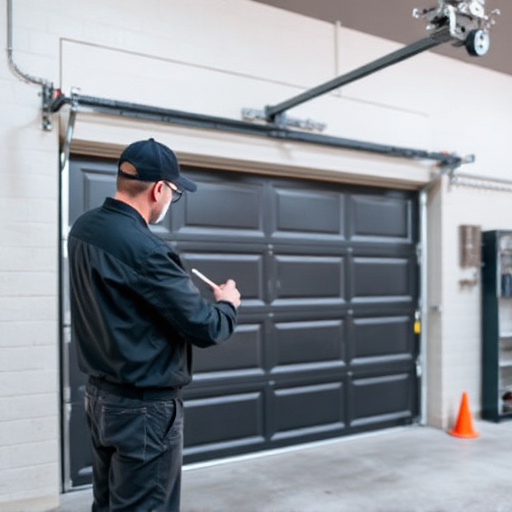
A garage door's primary structure includes the vertical track, which runs along the top and guides the door's movement. Steel rollers, smooth and durable, ride along this track, reducing friction and enabling the door to glide effortlessly. Over time, these rollers can wear down, especially in environments with high dust or debris, leading to increased friction and, consequently, garage door shakes. Another common issue involves the door's hinges, which, if not properly lubricated, can become stiff and cause the door to misalign, resulting in shaking.
Regular maintenance is key to preventing these issues. A local garage door company serving Tucson and Oro Valley recommends inspecting and lubricating the hinges, rollers, and track at least once a year. Replacing worn parts, such as steel rollers, is often an easy DIY task for homeowners, but for more complex issues like a bent vertical track, professional assistance is advisable. By staying attuned to the subtle signs of wear and taking proactive measures, homeowners can ensure their garage doors operate smoothly, safely, and silently, even during Tucson's unpredictable monsoon season.
Common Wear and Tear Patterns

Garage doors, like all mechanical systems, experience wear and tear over time, leading to various issues. Understanding common patterns of deterioration can help homeowners identify problems early, ensuring timely repairs. One of the most noticeable signs of wear is when the garage door starts to shake during operation. This tremor often indicates issues with the door's support system, primarily the steel rollers and the track.
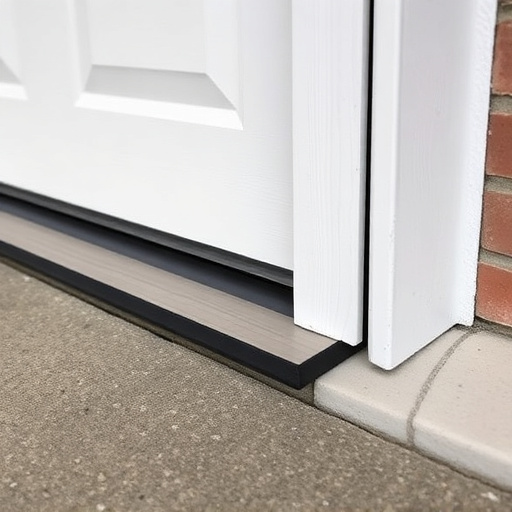
Steel rollers, crucial for smooth movement, can become damaged due to rust, debris, or the harsh conditions posed by Arizona's desert heat. Over time, these rollers may lose their integrity, leading to uneven rolling and, consequently, shaking. The bottom seal, a vital component that prevents dust and pests from entering, also suffers from environmental factors. Exposure to heat and humidity can cause the seal to deteriorate, resulting in gaps that not only let in unwanted elements but also disrupt the door's balance, potentially causing it to shake.
A Tucson garage door specialist often encounters these issues, especially in homes where the garage door is a primary entry point. Homeowners can mitigate these problems by maintaining their doors regularly. This includes periodic checks for debris buildup and visual inspections for signs of rust or damage. When replacing parts, using durable, heat-resistant materials can extend the life of these components, reducing the frequency of repairs and the associated costs.
When Garage Doors Shake: Causes and Cures
When a garage door shakes, it's often a sign of wear and tear on its components. This unnerving issue can be caused by various factors, many of which are common and easily addressed. One of the most frequent culprits is worn bearings, which can cause the door to wobble and make a squeaky or grinding noise. These bearings support the door's weight and facilitate smooth movement along the track, so their degradation is a serious matter.
Common causes of broken garage door tracks and rollers, such as improper installation, heavy use, or lack of regular maintenance, can lead to misalignment and imbalance. Over time, this can cause the door to shake. The end bearing plate, which connects the door to the track, is particularly susceptible to damage and can contribute to these issues. A Tucson garage door specialist recommends inspecting these components regularly and replacing them as needed to prevent more serious problems.
To address a shaking garage door, start by checking the springs, cables, and pulleys for tension and wear. If these appear intact, focus on the tracks, rollers, and bearings. Lubrication can sometimes solve a squeaky door, but if the shaking is accompanied by loud noises or the door won't close properly, it's best to call a professional. A licensed garage door service can identify the exact problem, whether it's a bent track, dented panel, or a worn-out component like the center bearing or end bearing plate. Regular maintenance, including lubrication and adjustments, can significantly extend the life of these parts and prevent unexpected breakdowns.
Preventive Maintenance: Extending Door Life
Garage doors, like any mechanical system, require regular care and attention to maintain their optimal performance and longevity. One of the most common issues homeowners notice is a shaking door, often indicating a problem with the tracks, rollers, or hinges. These issues can arise from various factors, especially during Tucson's monsoon season, when rapid temperature changes and increased humidity can accelerate wear and tear.
Preventive maintenance is key to extending the life of your garage door. Regular inspection and lubrication of the door's components can prevent small problems from becoming major, costly repairs. Common causes of broken garage door tracks and rollers include debris accumulation, misalignment, and rust. Over time, these parts can wear out, leading to a shaking door or other operational issues. Hinges, which bear the weight of the door and allow it to open and close smoothly, are also susceptible to damage. Regularly checking for loose hinges and applying a protective coating can help preserve their functionality.
To maintain a smooth-running garage door, consider a few practical steps. First, keep the door's tracks clean and free of debris. Use a soft brush or vacuum to remove any dust or dirt that may have accumulated. Next, apply a lightweight lubricant to the rollers and hinges; this reduces friction and keeps the door operating smoothly. A local hardware store like Home Depot or Lowe's can offer guidance on suitable lubricants and provide them for purchase. Eddies Garage Door Service, a licensed Tucson company, recommends inspecting the door's balance and tension every few years to ensure it operates efficiently and safely. Regular maintenance not only extends the door's life but also enhances the overall safety and functionality of your garage.
Frequently Asked Questions About a plain language look at garage door parts and how they wear out
What are the most common garage door parts that wear out? The most common garage door parts to experience wear and tear are the springs, the tracks, the door's panels, and the opener. Springs, in particular, have a finite lifespan and usually need replacement after about 10,000 cycles or around 7 to 10 years. Tracks can bend or corrode over time, affecting the door's alignment and smooth operation. The door's panels can dent, crack, or break, especially in areas with extreme weather conditions. The opener, while more durable, can fail due to excessive use or electrical issues.
Why do garage door springs break? Garage door springs break due to a combination of factors, primarily excessive use and age. Over time, springs lose their elasticity, becoming weaker and less able to support the door's weight. The average spring endures about 10,000 cycles, roughly equivalent to opening and closing your garage door 5 to 6 times a day for 7 years. Extreme weather conditions, improper installation, or incorrect tension can also contribute to spring failure.
How do I know if my garage door track needs to be replaced? Signs that your garage door track may need replacement include rust or corrosion, misalignment causing the door to bind or squeak, or visible bends or dents. If the track is loose, allowing the door to rattle or not stay level, replacement is likely necessary. Regular maintenance, including cleaning and lubricating the track, can prolong its lifespan.
Can I replace garage door parts myself? While some basic repairs, like replacing weather seals or adjusting the door, are within the skill set of a do-it-yourselfer, major components like springs and tracks are best left to professionals. Replacing these parts requires specialized tools and knowledge to ensure safety and prevent injury. Even minor tasks like tensioning springs should be handled by a licensed garage door technician.
What should I do if my garage door opener stops working? If your garage door opener fails, first check the power supply and circuit breaker. Test the remote control by changing the battery or trying a different one. If the door still won't open, contact a licensed garage door service for diagnosis and repair. Regular maintenance, including rolling resistance checks and gear lubrication, can prevent such issues.
Understanding the common wear patterns and potential issues like garage door shakes is crucial for homeowners. By regularly inspecting and maintaining your garage door components, such as tracks, cables, rollers, and hinges, you can prevent minor problems from escalating. Simple preventive measures, like lubricating rollers and adjusting tension, can significantly extend the door's lifespan. Remember, a well-maintained garage door not only enhances the safety and accessibility of your home but also contributes to the overall curb appeal. Armed with this knowledge, you're now better equipped to tackle minor issues and, when necessary, consult a professional for more complex repairs, ensuring your garage door remains reliable and functional.
Garage door shakes often signal problems with tracks, rollers, or hinges. Regular maintenance, including lubrication and debris removal, prevents and solves many issues. Inspect tracks, rollers, and hinges annually; replace worn parts. Professional services, like Eddies Garage Door Service, offer expert balance and tension checks. Proactive care extends door life, enhances safety, and avoids unexpected breakdowns.